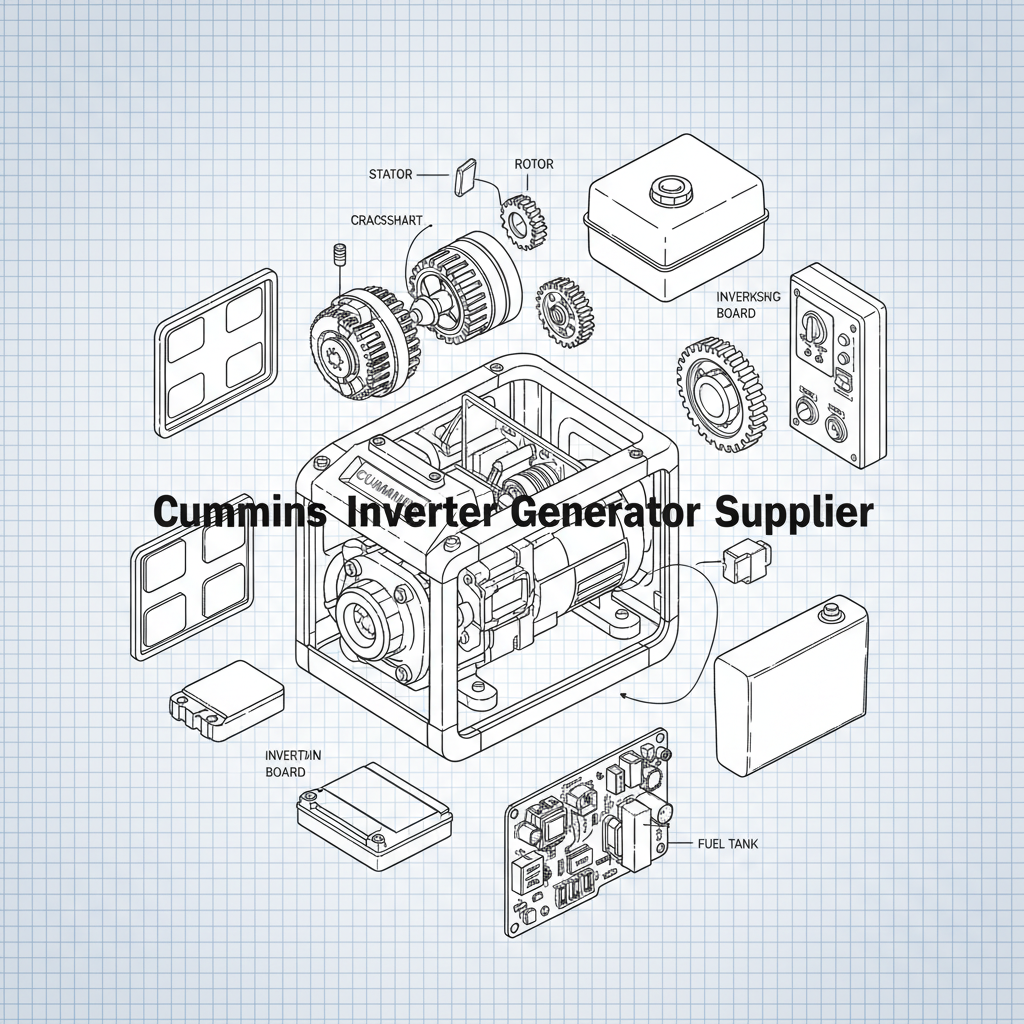
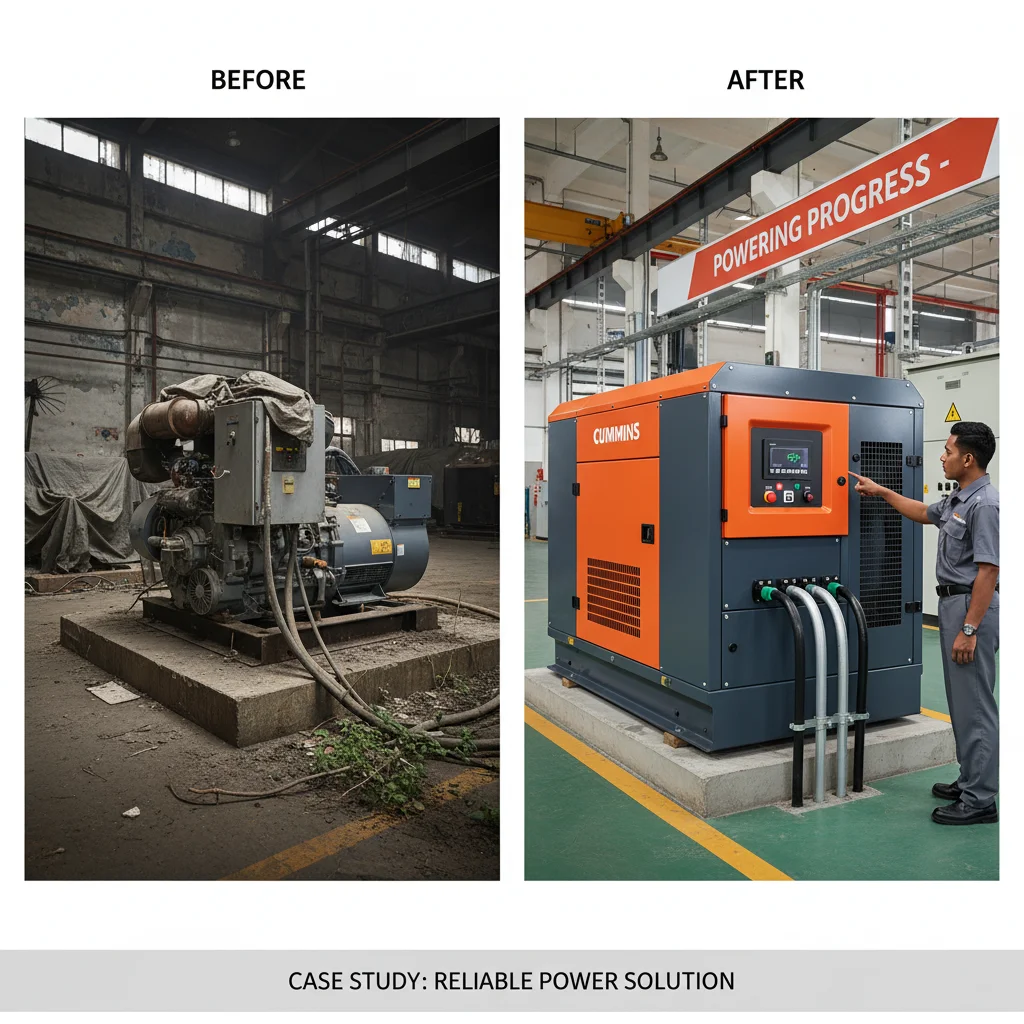
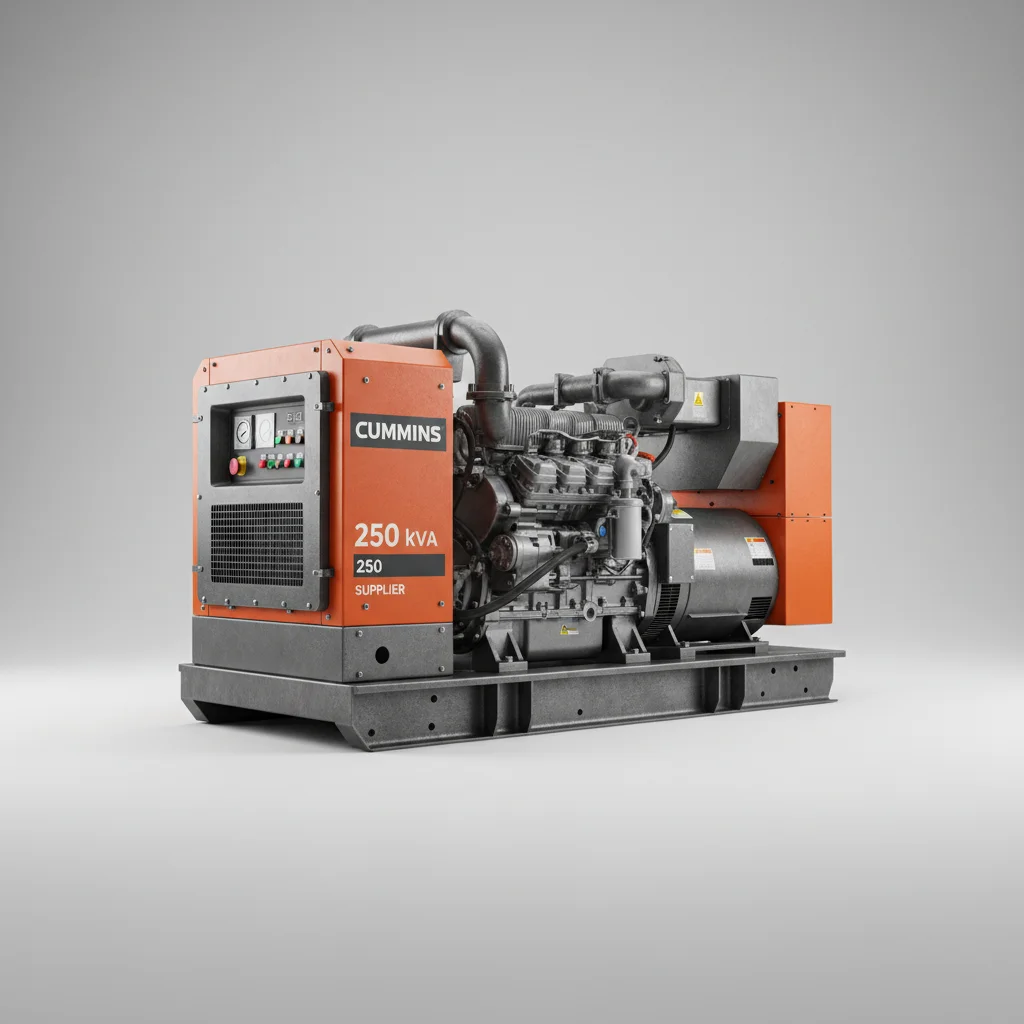
Look, I’ve been running around construction sites for fifteen years, and you start to notice things. Lately, everyone’s obsessed with efficiency, right? Prefabrication, modular stuff… it’s all about getting things done faster, cheaper. But faster and cheaper aren't always better, if you ask me. Especially when it comes to generator sets. It’s not just about watts anymore, it’s about how reliably those watts get delivered, and how easily the whole setup fits into a messy, real-world job site. We're talking a lot about cummins inverter generator Supplier these days, and honestly, it's been a mixed bag.
I’ve seen too many “innovative” designs fall apart the minute they hit the mud. Guys in the office think a pretty CAD drawing means something, but they haven't spent a day wrestling with a generator in ninety-degree heat. To be honest, finding a good cummins inverter generator Supplier is like finding a mechanic who actually cares – rare as hen’s teeth.
And it’s not just the generator itself, it’s the whole ecosystem. The cabling, the fuel storage, the noise… all of it has to work together, or you're just creating a different kind of headache.
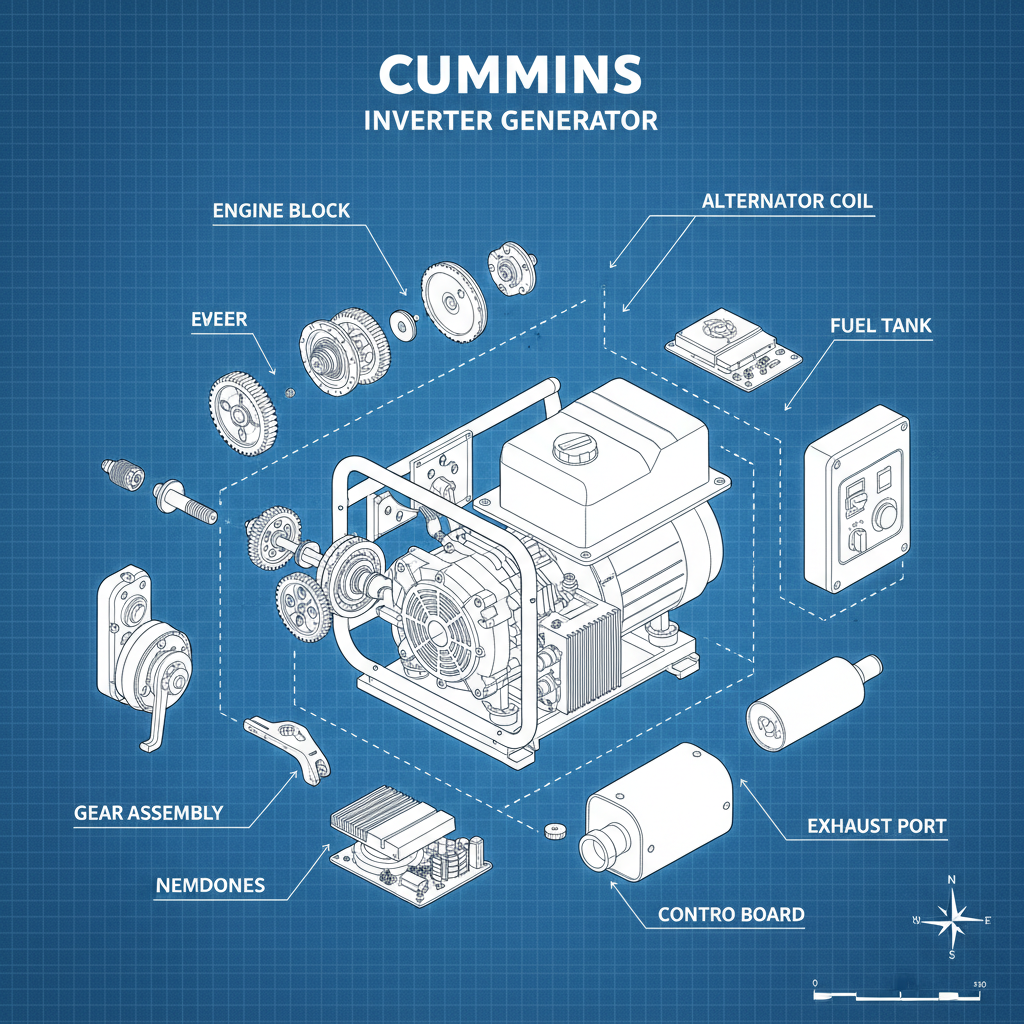
The Current Landscape of cummins inverter generator Supplier
What’s trending? Quiet operation, for sure. Everyone wants to meet noise regulations, and the neighbors are getting pickier. And portability. Everything needs to be easily moved around. Have you noticed how many of these things are on wheels now? It's a good sign, honestly, shows people are thinking about the real world. But a lot of the focus is on marketing buzzwords – “smart generators,” “remote monitoring” – and less on, you know, actual ruggedness. It’s a trade-off.
There’s been a big push for more environmentally friendly options too, obviously. Tier 4 Final compliance is a big deal, but sometimes it just adds complexity and cost without a real benefit on the job site.
Common Design Pitfalls in cummins inverter generator Supplier
Oh boy, the pitfalls. Where do I start? One thing I see all the time is flimsy control panels. Guys are banging on these things in all weather, and if the buttons and switches aren’t built to last, you’re looking at downtime. Another is inadequate ventilation. These things get hot. If they can’t breathe, they’re going to overheat, and that’s a recipe for disaster. And strangley enough, a lot of the cheaper ones skimp on the grounding. That's just asking for trouble.
I encountered this at a factory in Ningbo last time, they had a whole batch of generators with undersized fuel filters. The generators ran fine initially, but after a few weeks of use in dusty environments, the fuel injectors clogged up. A simple fix, but a huge headache for the client.
And don’t even get me started on the documentation. Half the time, it’s translated so badly you can’t understand it, or it's just missing crucial information. Makes troubleshooting a real pain.
Materials and Their Quirks
The steel… you can tell a lot about a generator by the steel it's made from. Cheap steel bends, rusts, and welds poorly. You want something with a good yield strength, something that can take a beating. I like to give it a tap – you can tell by the sound if it's solid. The paint job matters too. A good powder coat will hold up for years, but a cheap spray paint job will flake off after a few months.
The plastic bits… that’s where they really cut corners. Brittle plastic cracks in the cold, gets gummy in the heat. I’ve seen housings literally fall apart just from being left out in the sun. The wiring insulation is critical too. You want something that’s UV resistant and can handle high temperatures. Smell it, honestly. Cheap PVC smells… well, cheap.
And the rubber components – the vibration isolators, the seals. Those degrade over time, especially in harsh environments. You have to inspect them regularly and replace them when they get brittle. I think a lot of people underestimate the importance of preventative maintenance.
Real-World Testing: Beyond the Lab
Lab tests are fine, but they don't tell the whole story. You need to see how these things perform in the real world. I like to run them for extended periods under heavy load, in all kinds of weather conditions. Dirt, dust, rain, snow… you name it. I’ve even dunked a few in mud just to see what happens. It's not pretty, but it's informative.
I always check the oil temperature and pressure, and I monitor the voltage and frequency output. I also listen for any unusual noises or vibrations. A good generator should run smoothly and quietly, even under full load. Anything else is a red flag.
Cummins Inverter Generator Supplier Performance Metrics
How Users Actually Use Them
This is where things get interesting. You think they're going to use it according to the manual? Nope. I've seen guys running these things twenty-four seven, way beyond their rated capacity. I’ve seen them using gasoline instead of diesel (don’t ask). I’ve even seen one guy trying to power a whole construction site with a single portable generator. It didn’t end well.
They overload them, they neglect the maintenance, and they treat them like they’re indestructible. And then they wonder why they break down. It's frustrating, but it's also… predictable.
The Upsides and Downsides of cummins inverter generator Supplier
Okay, so what are the benefits? Well, the inverter technology means cleaner power, which is crucial for sensitive electronics. They're also generally quieter and more fuel-efficient than traditional generators. And they're getting more reliable all the time.
But there are downsides. They’re typically more expensive upfront, and they can be more complex to repair. And if you overload them, they’ll shut down – which is a good thing, in a way, but it can still be disruptive. Anyway, I think the benefits outweigh the drawbacks, especially for critical applications.
Customization Options and Practical Examples
You’d be surprised how much customization is possible. Last month, that small boss in Shenzhen who makes smart home devices insisted on changing the interface to , instead of the standard XLR connector. Said it was “more modern.” The result? A week of headaches trying to find compatible cables, and a lot of wasted time. Turns out, his fancy new European clients didn’t care about , they just wanted something that worked.
I've also seen requests for custom paint jobs, different fuel tank sizes, and specialized exhaust systems. You can even get them fitted with remote monitoring systems. The key is to understand what the client really needs, not just what they think they need.
And honestly, sometimes the best customization is just making sure the basics are done right. A solid build, reliable components, and clear documentation. That's what really matters.
Summary of Common Cummins Inverter Generator Supplier Customization Requests
| Customization Type |
Typical Use Case |
Complexity Level (1-5) |
Estimated Cost Impact |
| Paint Color/Branding |
Fleet Identification, Corporate Aesthetics |
1 |
Low |
| Fuel Tank Capacity |
Extended Run Times in Remote Locations |
3 |
Medium |
| Interface Connector Type |
Compatibility with Existing Equipment |
2 |
Low-Medium |
| Remote Monitoring System |
Proactive Maintenance, Performance Tracking |
4 |
High |
| Noise Reduction Package |
Compliance with Noise Regulations |
3 |
Medium |
| Specialized Exhaust System |
Specific Emission Requirements |
5 |
Very High |
FAQS
The main difference lies in the power output. Standard generators produce raw AC power, while inverter generators create DC power, then convert it back to cleaner, more stable AC power. This makes them better suited for sensitive electronics, as it reduces harmonic distortion and voltage fluctuations. They are also typically quieter and more fuel-efficient. It really comes down to the application, you know?
THD is huge, especially if you’re running things like computers, medical equipment, or audio gear. Lower THD means cleaner power, which reduces the risk of damage or malfunction. Generally, you want a THD of less than 5% for sensitive electronics. Honestly, a lot of guys don't even think about it until something breaks, and then they come looking for me.
Regular oil changes are essential, of course. Check the air filter, fuel filter, and spark plug periodically. And don’t forget to clean the cooling fins to prevent overheating. I’ve seen too many generators fail simply because someone neglected the basic maintenance. It's not rocket science, people!
They’re built to be pretty rugged, but it’s always best to protect them from the elements if possible. Use a cover or enclosure to shield them from rain, dust, and direct sunlight. And never operate a generator indoors without adequate ventilation. Seriously, carbon monoxide is no joke.
With good care, you can expect a Cummins inverter generator to last for several thousand hours – easily five to ten years, or even longer. It really depends on how heavily it’s used and how well it’s maintained. I’ve seen some that are still going strong after fifteen years, but those are the exceptions, not the rule.
Inverter generators are typically more fuel-efficient because they adjust engine speed based on the load. This means they don’t waste fuel when you’re not using the full capacity. You'll save money in the long run, especially if you're running them for extended periods. I've seen significant savings on big projects just from switching to inverter tech.
Conclusion
So, what have we learned? Cummins inverter generator Supplier, when done right, can offer a lot of advantages – cleaner power, quieter operation, and better fuel efficiency. But it's not a magic bullet. You need to choose the right model for your specific needs, and you need to take care of it. Don’t fall for the hype, and don’t skimp on the basics.
Ultimately, whether this thing works or not, the worker will know the moment he tightens the screw. And if he's cursing under his breath, you know you've got a problem. Visit our website at www.dbddg.com for more information.