You know, after running around construction sites all year, dealing with dust and sweat, it's kinda hard to get excited about new stuff. But honestly, the demand for reliable power, especially these 3kVA generators, has been steadily climbing. It's not just big projects anymore; smaller workshops, mobile catering, even folks setting up temporary offices during events… everyone needs a dependable power source. It feels like just yesterday we were all scrambling for diesel generators, noisy and polluting. Now, everyone’s talking about inverters, cleaner and quieter. kings 3kva generator Supplier is seeing a real surge in interest.
It’s funny, though. You'd think it's a straightforward thing, right? Generator, engine, alternator. But the devil is always in the details. We've seen too many designs try to cut corners, and they always end up costing more in the long run. The biggest trap? Skimping on the inverter quality. People want “pure sine wave” for sensitive electronics, but a lot of these cheap inverters… well, they’re anything but pure.
And the noise! Have you noticed how some generators claim to be "silent" but still sound like a swarm of angry bees? It drives the site foremen crazy.
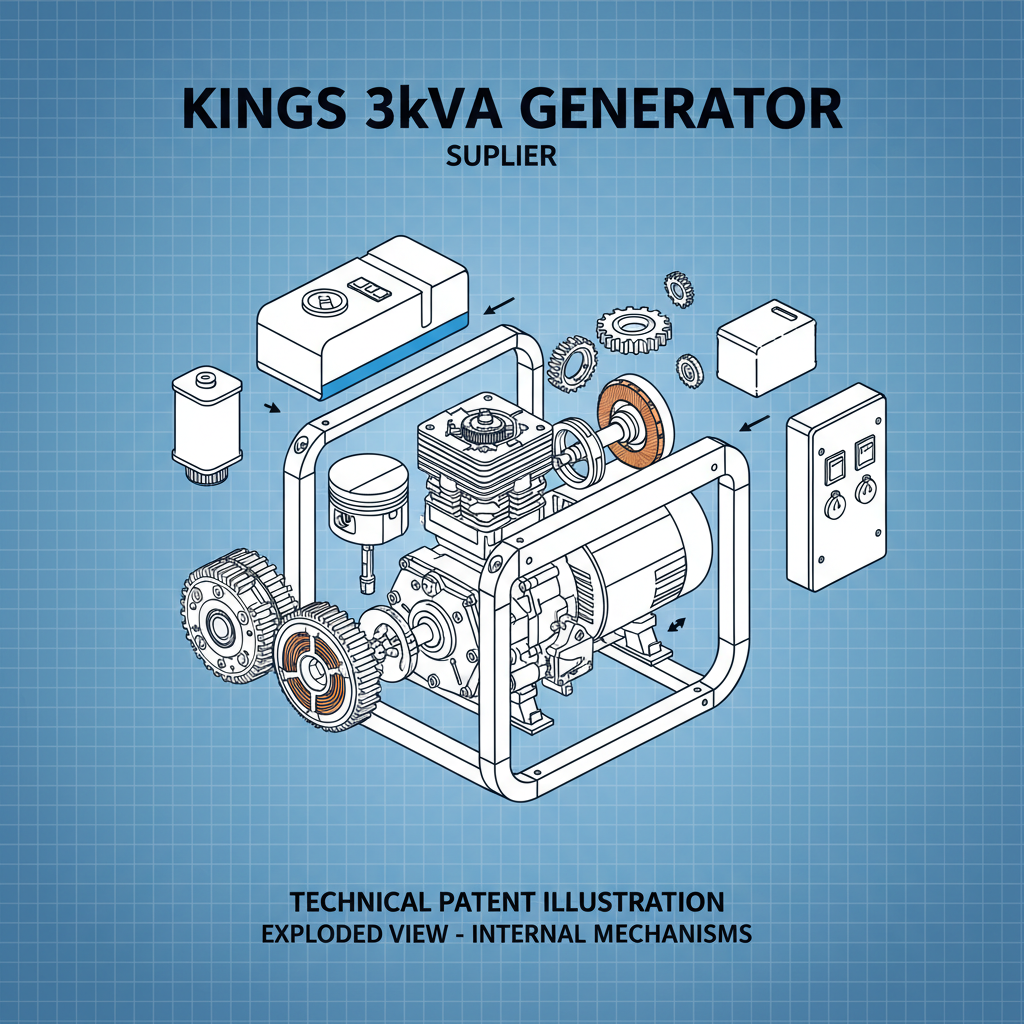
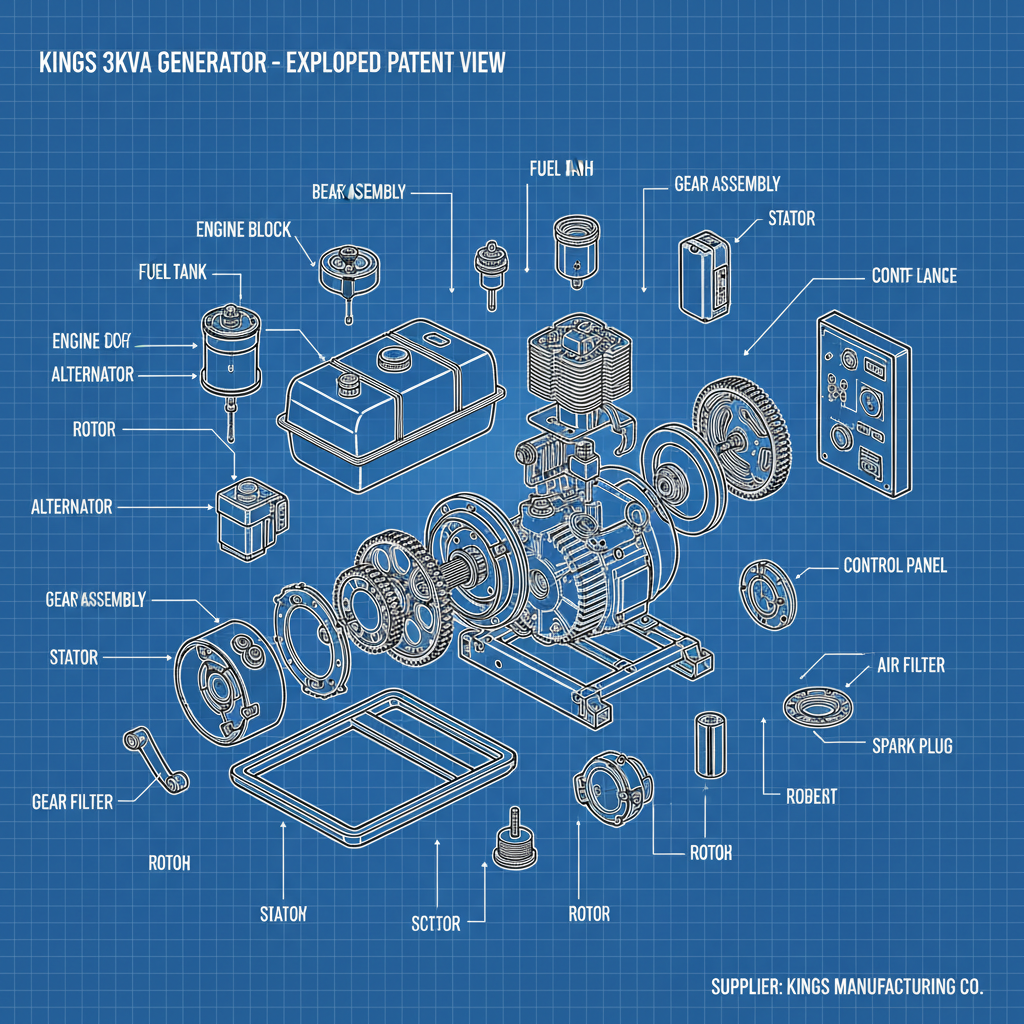
To be honest, everyone's chasing smaller and lighter these days. Portable power is the name of the game. But that also means they’re squeezing everything tighter, using thinner materials. Strangel,y, a lot of manufacturers are focusing on fancy digital displays and Bluetooth connectivity… which is nice, I guess, but if the engine can’t handle a steady load, those features are useless. I encountered this at a factory last time, saw a beautifully designed unit, looked the part, but after just a few hours of testing, the cooling fan seized up.
The biggest oversight? Ventilation. These things generate a lot of heat. If they’re crammed into an enclosure without proper airflow, they’ll overheat and shut down faster than you can say “power outage.”
Honestly? They focus too much on price. A super-cheap generator is almost always a false economy. You'll end up replacing it sooner, and you risk damaging your equipment with unstable power. You really need to look at the quality of the inverter and the engine. Don't just go for the lowest number, especially not for continuous use. Look at the warranty, too – a good warranty is a sign the manufacturer stands behind their product.
Very important if you’re powering sensitive electronics like laptops, TVs, or medical equipment. Modified sine wave power can cause interference and even damage those devices. It's a subtle thing, but it can make a big difference. If you’re just running power tools, it’s less critical, but even then, pure sine wave will give you cleaner, more stable power.
Regular maintenance, plain and simple. Change the oil, clean the air filter, and check the spark plug. Store it properly – covered and dry. And don't overload it. Running it at 80% capacity is ideal. Also, use a fuel stabilizer if you're storing it for a long period. Gas can go bad, and that will cause problems.
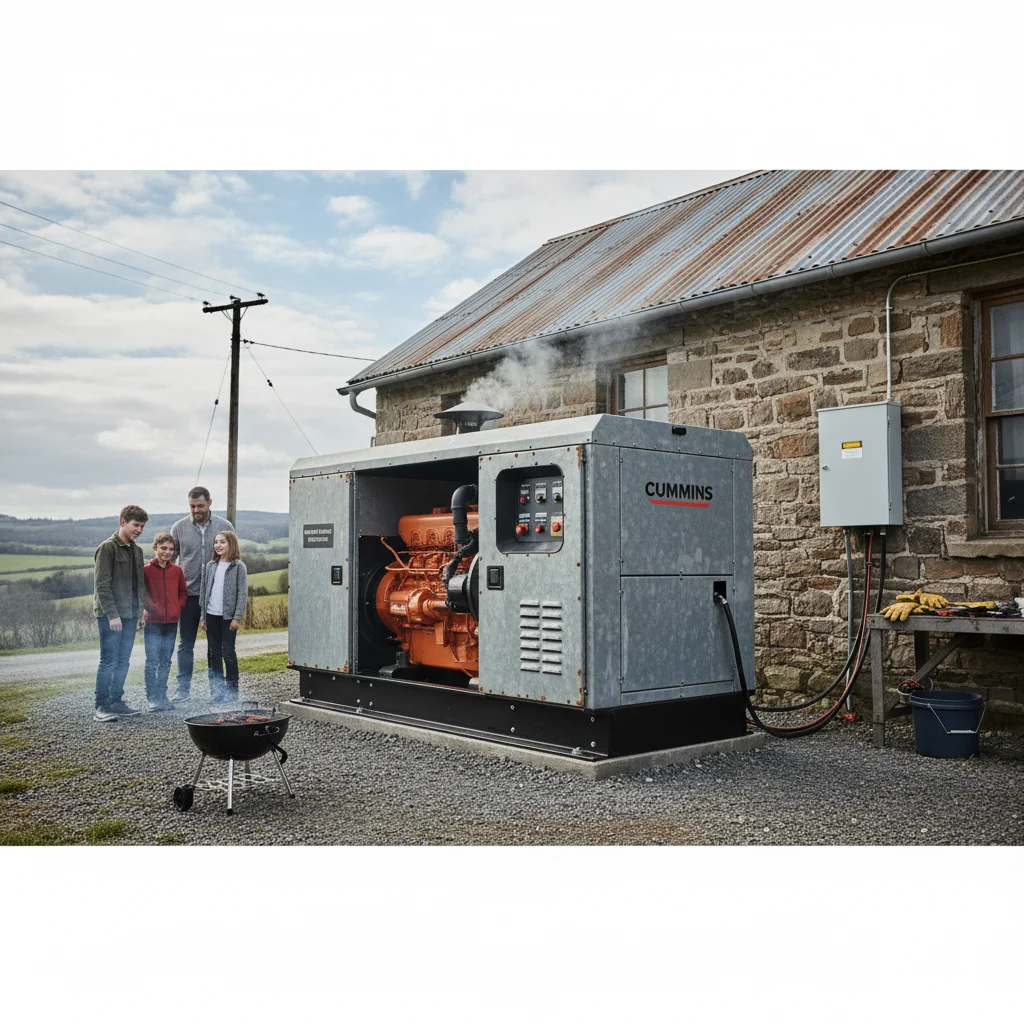
Absolutely not. Generators produce carbon monoxide, which is a deadly gas. You must operate a generator outdoors, in a well-ventilated area. At least 20 feet away from any buildings. I've seen too many cases of carbon monoxide poisoning. It's not worth the risk. Seriously, don't do it.
Noise levels vary a lot. Inverter generators are generally quieter than traditional generators. Some models have noise reduction features like mufflers and sound-dampening enclosures. But even the quietest generators still make some noise. Expect around 60-70 decibels at a distance of 7 meters. It depends on the load too. A higher load usually means more noise.
Yes, absolutely. AVR ensures a stable voltage output, which protects your sensitive electronics from damage. Voltage fluctuations can fry your devices, and AVR prevents that. It’s a small investment that can save you a lot of money in the long run. It's especially important if you're powering computers, servers, or other critical equipment.
So, there you have it. These 3kVA generators are a versatile tool, but they’re not magic. Choosing the right one depends on your specific needs and how you plan to use it. Don't skimp on quality, pay attention to the details, and remember that regular maintenance is key to long-term reliability.
Ultimately, whether this thing works or not, the worker will know the moment he tightens the screw. It's not about the fancy features or the marketing hype – it's about whether it can handle the job, day in and day out. Visit our website at kings 3kva generator Supplier to find the right generator for your needs.

Hit enter to search or ESC to close