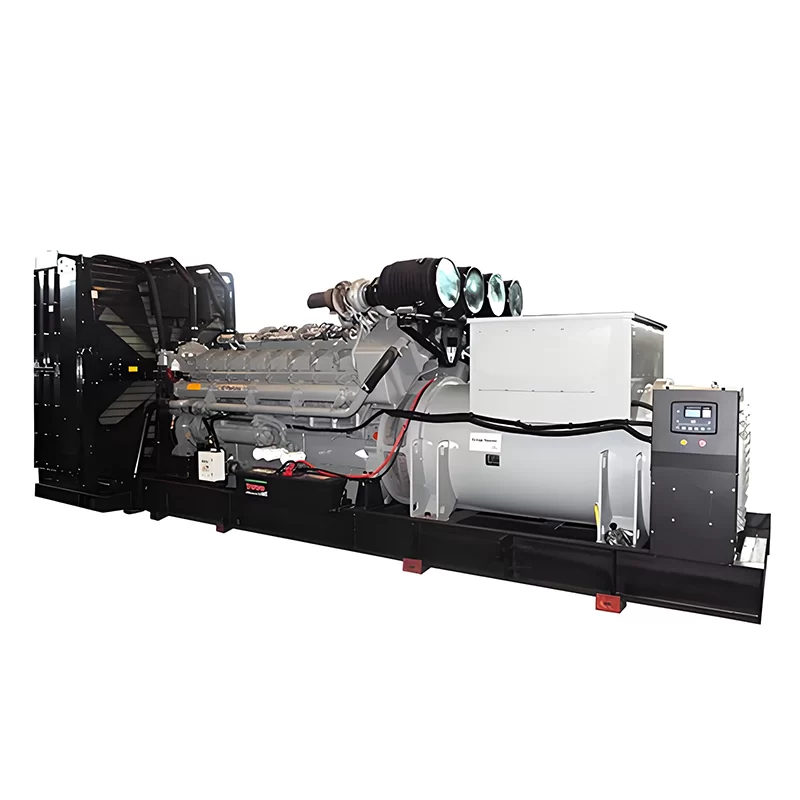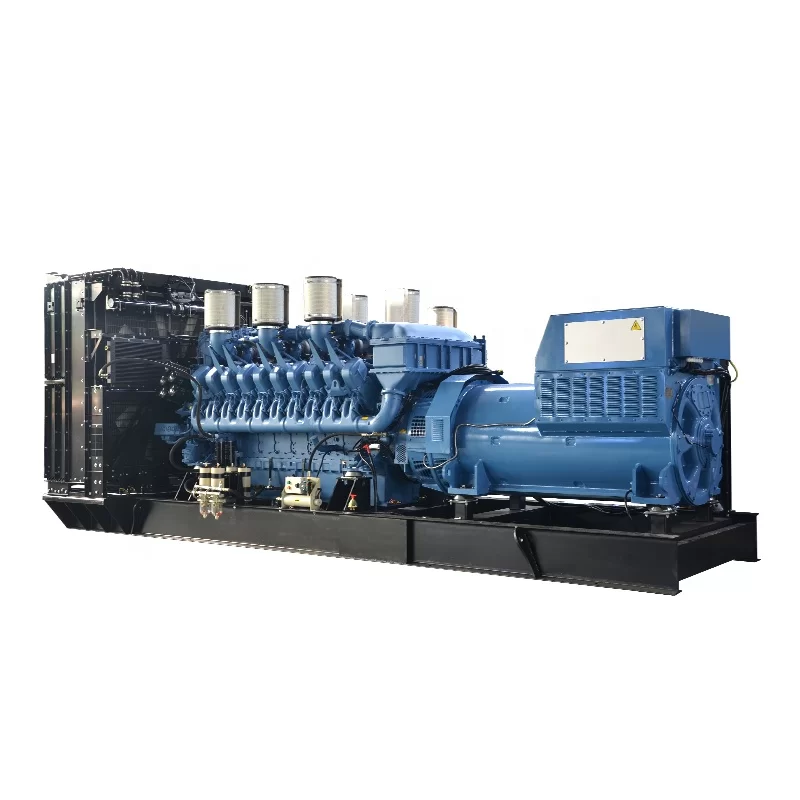
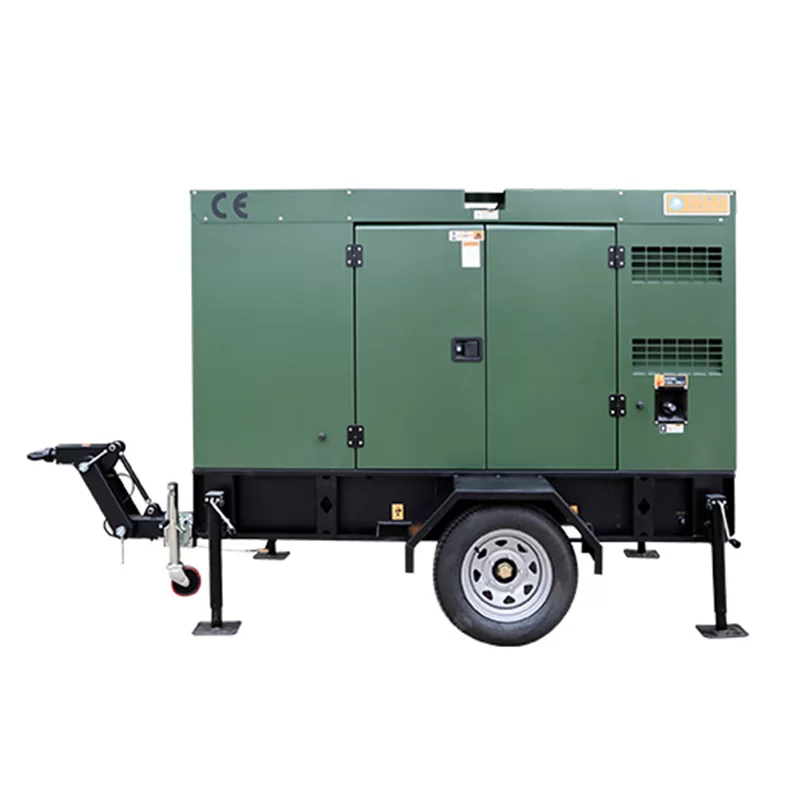
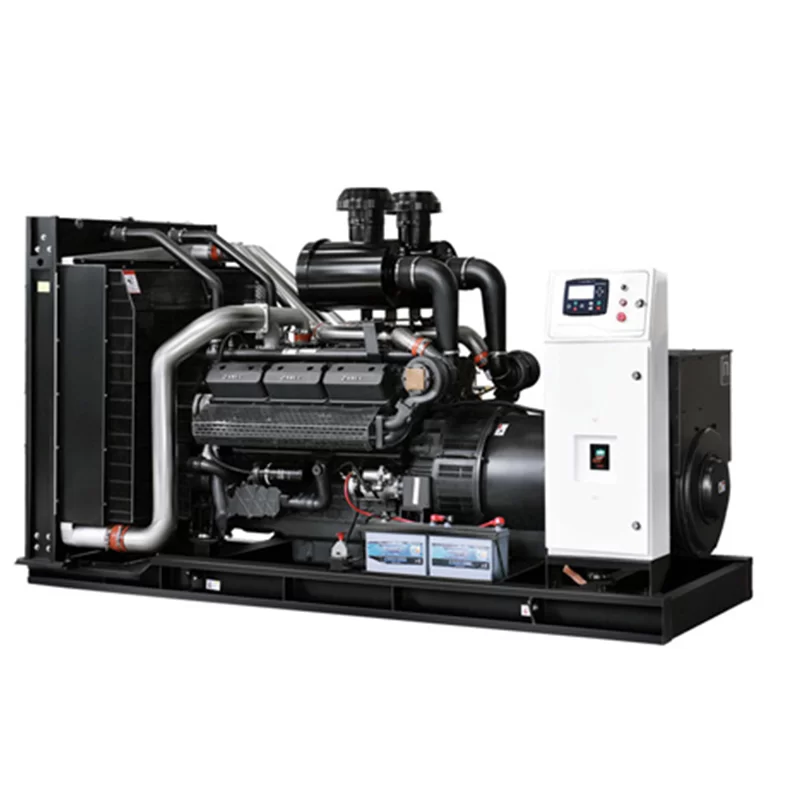
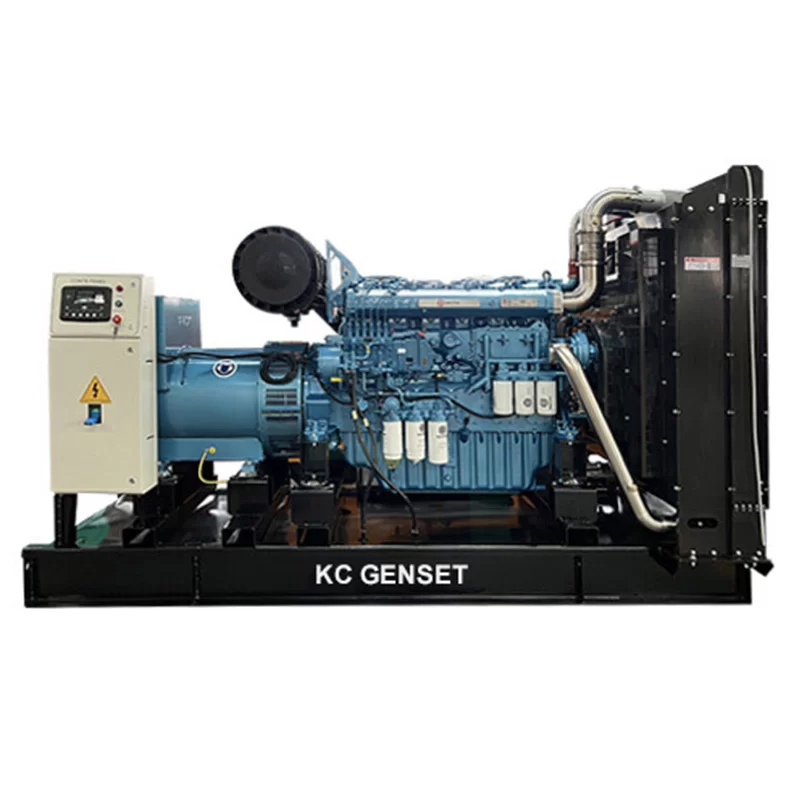
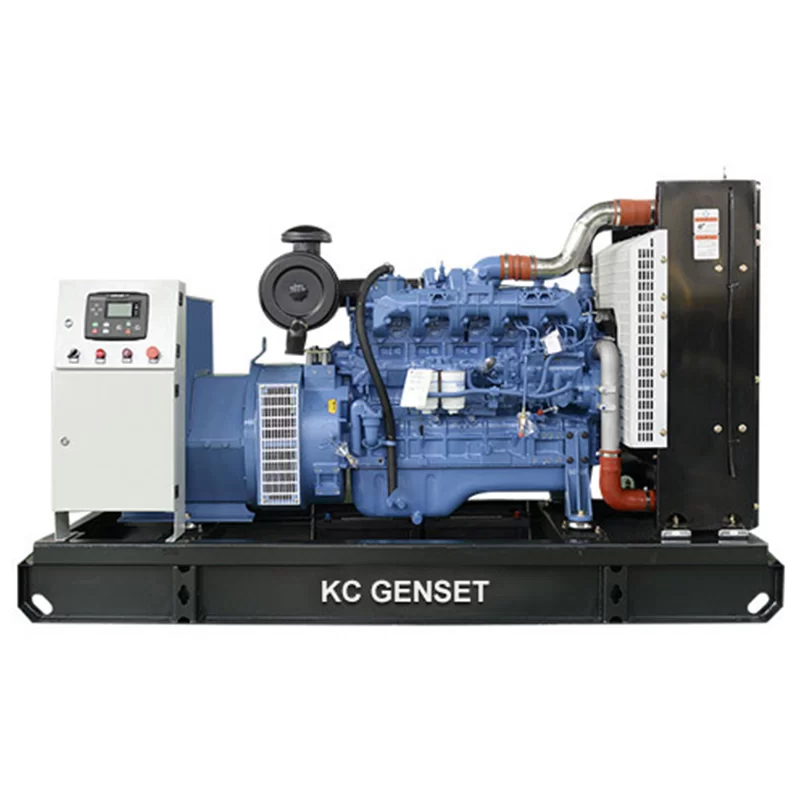
The power landscape in North Korea is characterized by significant instability and a reliance on aging centralized grids. For the manufacturing sector, this volatility necessitates the deployment of a containerized generator to ensure that production lines remain active regardless of external grid failures.
Geographically, the region faces extreme seasonal temperature fluctuations. This climatic stress requires equipment that can operate in sub-zero winters and humid summers, making high-durability generators in stock essential for rapid deployment and emergency replacement.
Economically, there is a growing shift toward localized power clusters. Industrial zones are increasingly adopting standalone power systems to reduce dependence on the national grid, driving the demand for high-capacity diesel solutions that offer both stability and autonomy.