April 09, 2026
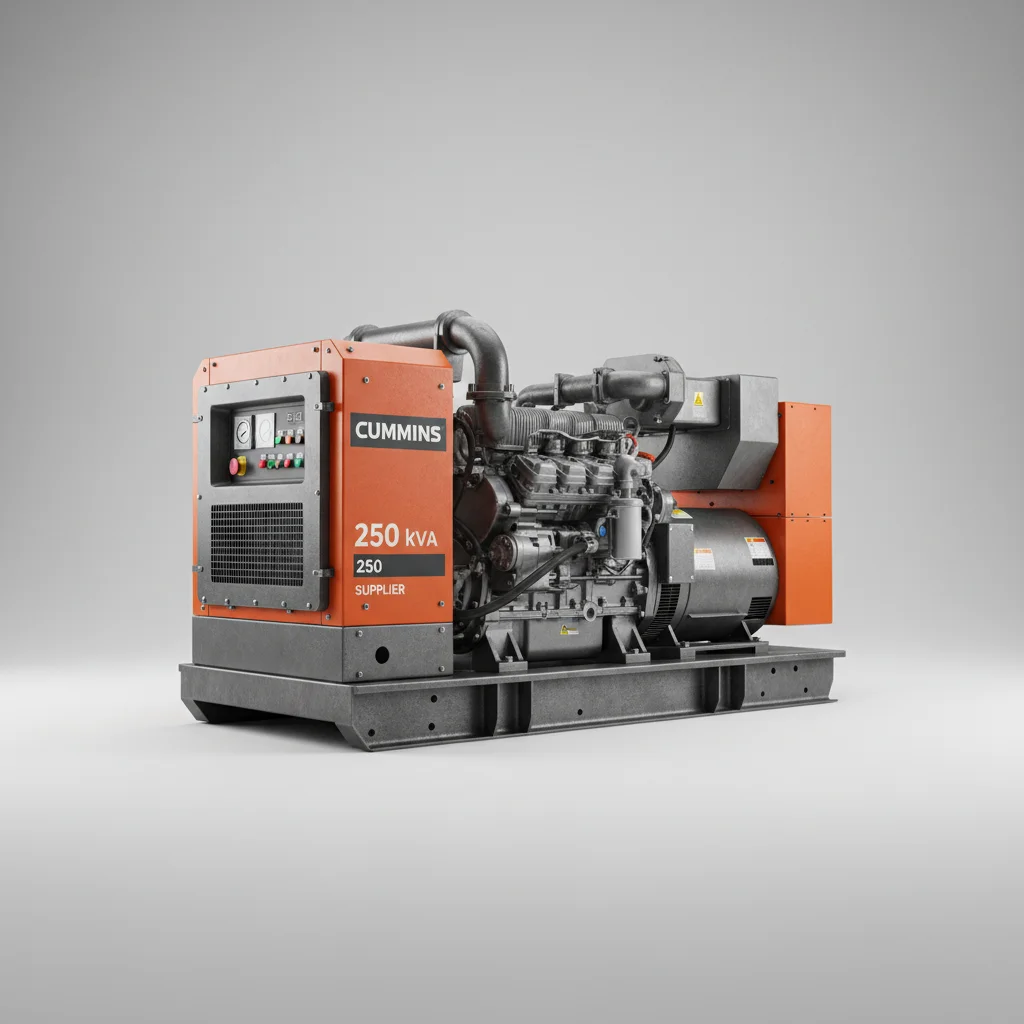
Finding a reliable Cummins generator Supplier is one of the most critical decisions for industries requiring uninterrupted power. Whether you are managing a massive data center, a construction site, or a healthcare facility, the stability of your energy source determines your operational success. A professional supplier does more than just sell hardware; they provide a comprehensive energy ecosystem including sizing, installation, and lifelong maintenance. In this guide, we will explore how to identify a top-tier partner to ensure your investment delivers maximum uptime and efficiency.
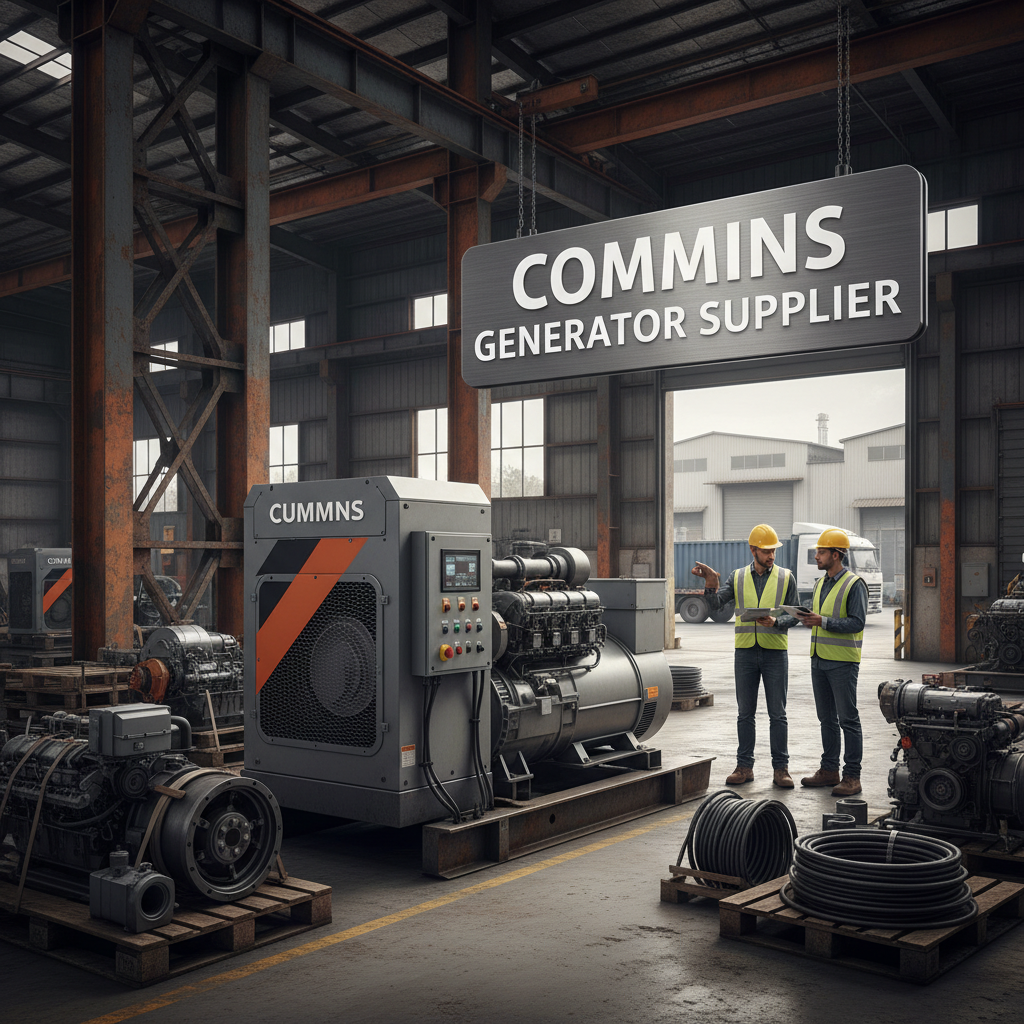
Partnering with an authorized Cummins generator Supplier ensures that you receive genuine parts and factory-certified engineering. Counterfeit components or improperly configured units can lead to catastrophic failures during power outages. Authorized suppliers have direct access to the latest technical bulletins and software updates, ensuring your generator operates at peak efficiency. Furthermore, official partnerships guarantee that your warranty remains valid, protecting your capital expenditure from unforeseen repair costs.
Pro Tip: Always request a certification of authenticity and a detailed warranty agreement before finalizing your purchase to avoid "grey market" equipment that lacks official support.
Every facility has unique power demands. A professional Cummins generator Supplier will perform a detailed load analysis to determine the exact kVA requirement for your site. Over-sizing a generator leads to "wet stacking" (unburnt fuel accumulation), while under-sizing causes frequent overloading and shutdowns. By tailoring the configuration—such as selecting between diesel or natural gas—the supplier helps you balance initial costs with long-term operational expenses.
Key Customization Options:
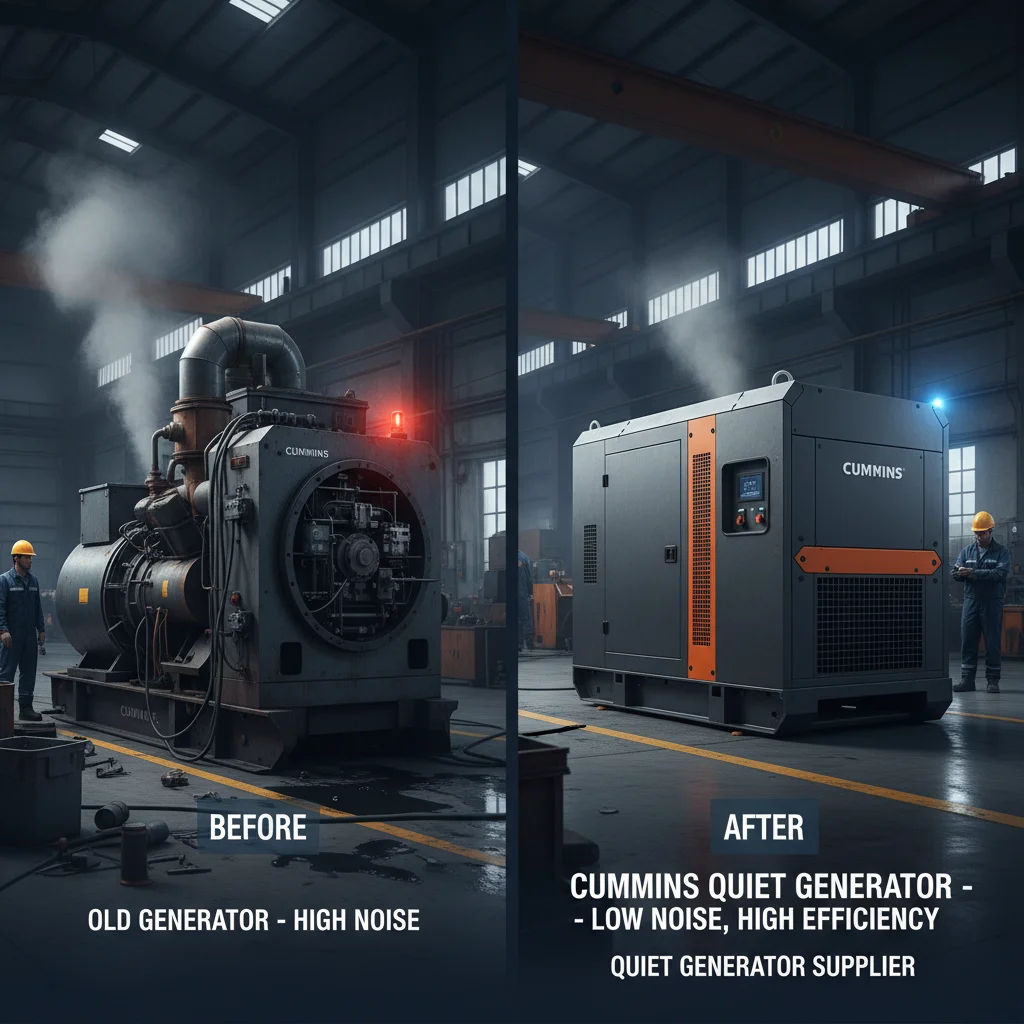
• Sound Attenuation: Specialized enclosures for urban areas.
• Fuel Systems: Sub-base tanks or external bulk storage.
• Control Panels: Remote monitoring and automatic transfer switches (ATS).
When evaluating a Cummins generator Supplier, it is vital to compare the long-term support they offer. While some third-party vendors may offer lower upfront prices, the total cost of ownership (TCO) is often higher due to slower response times and non-standardized parts. Genuine suppliers provide structured maintenance schedules and 24/7 emergency response, which are indispensable for mission-critical operations.
The relationship with your Cummins generator Supplier should not end at the point of sale. A top-tier supplier offers structured Preventive Maintenance (PM) contracts. These contracts include regular oil analysis, filter replacements, and load bank testing to ensure the engine can handle its rated capacity. Without these checks, generators can suffer from fuel degradation or battery failure, rendering them useless during a real emergency.
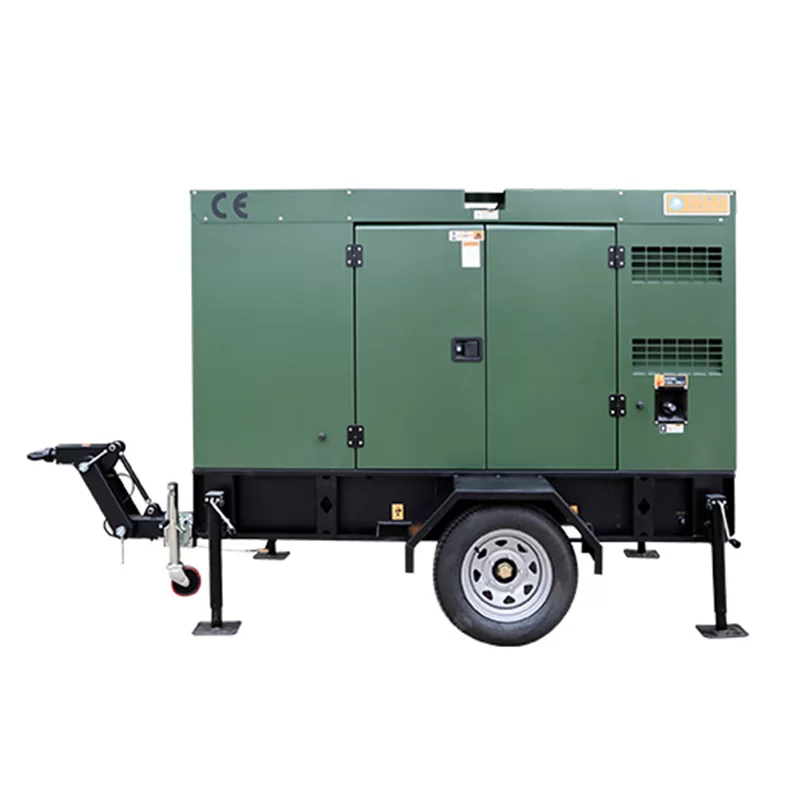
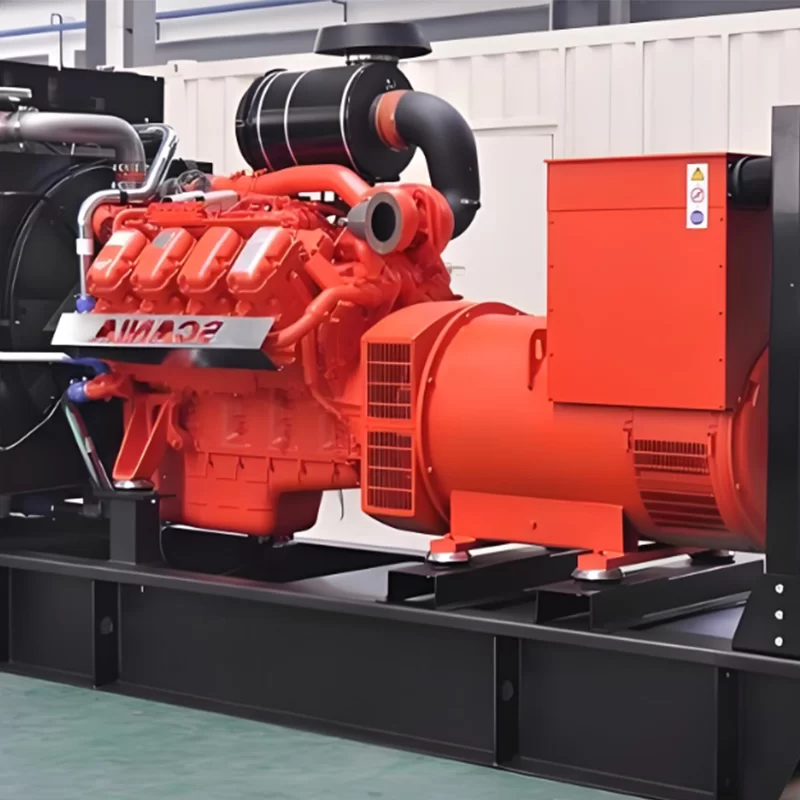
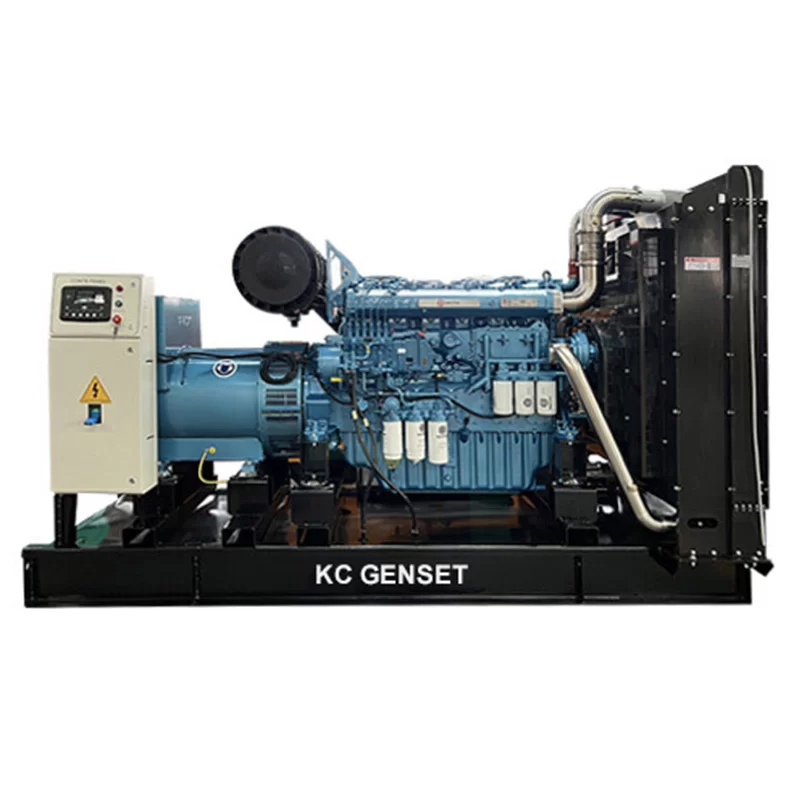
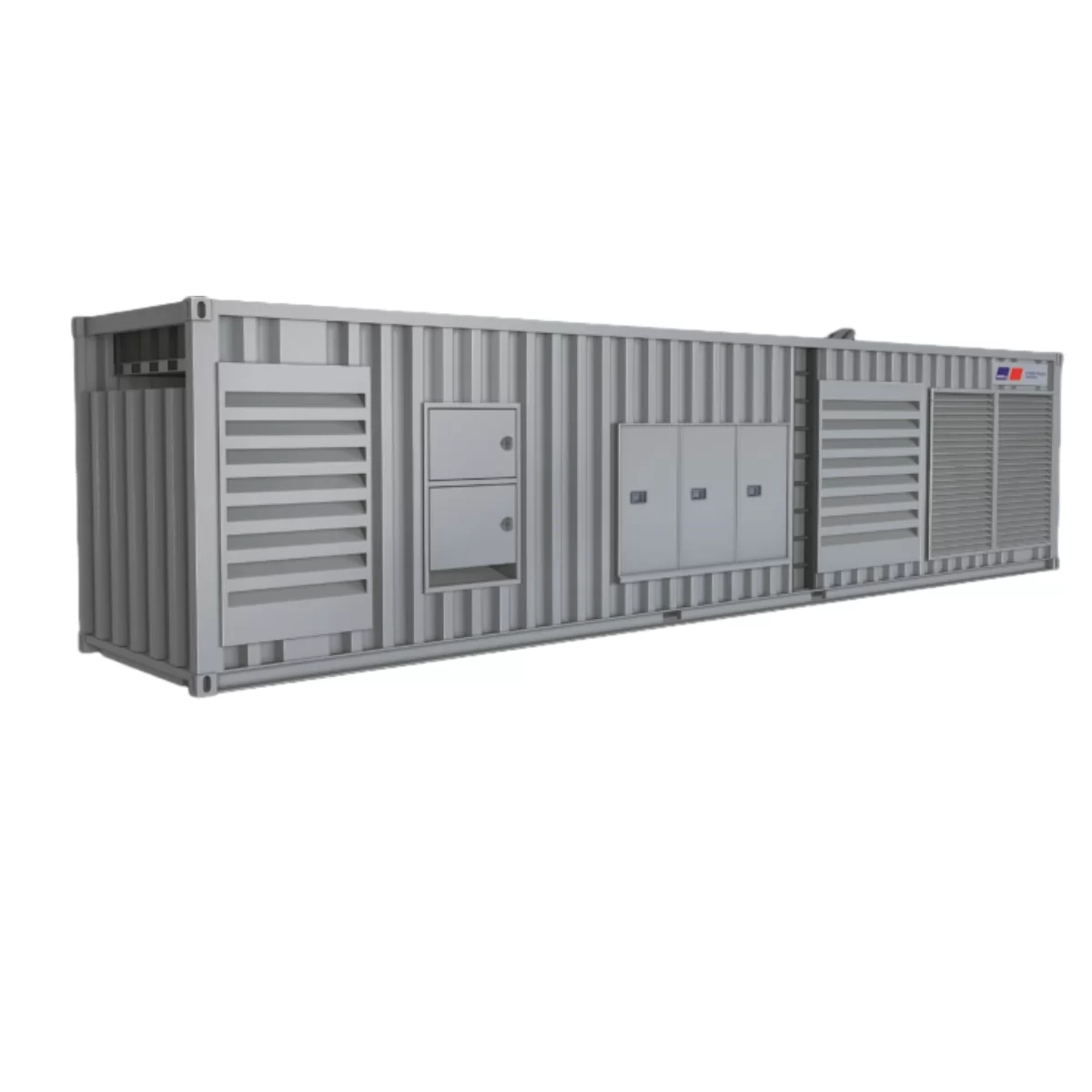
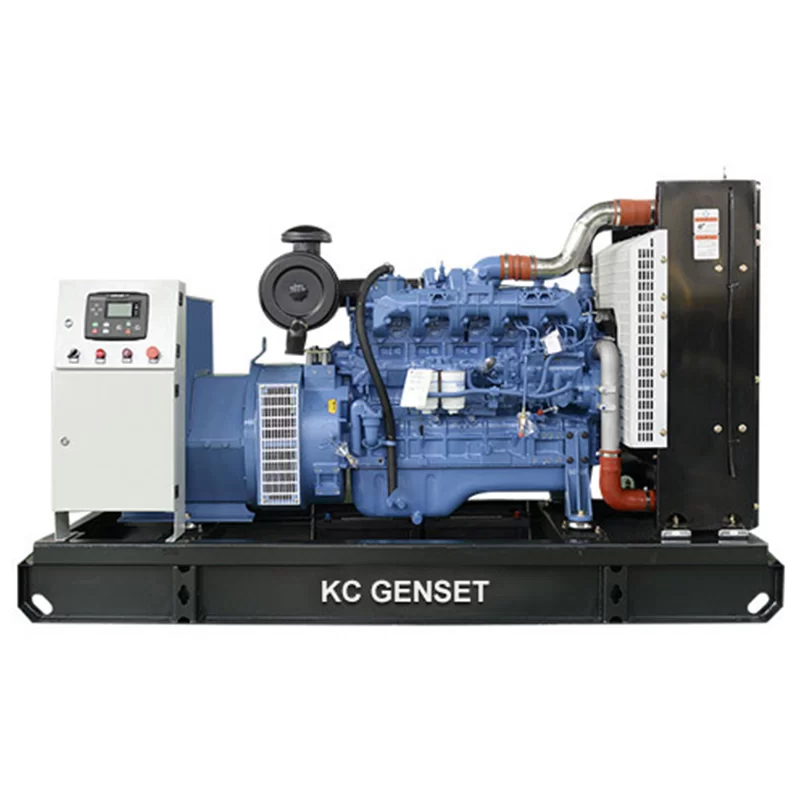
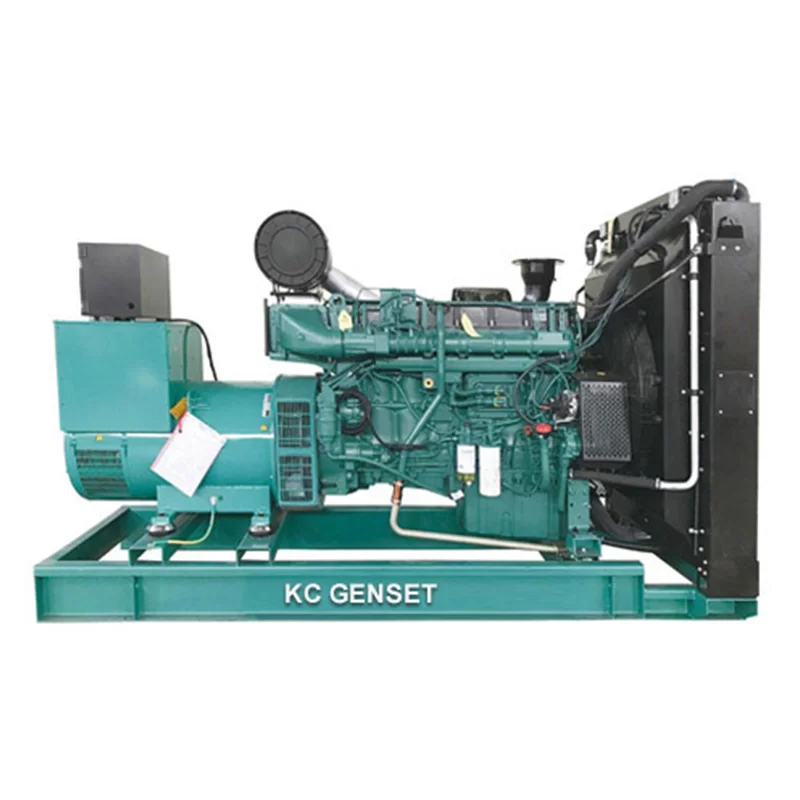
When browsing the catalog of a Cummins generator Supplier, you will encounter various series designed for different loads. From the compact portable units to the massive industrial power plants, the engineering remains consistent: high torque, fuel efficiency, and extreme durability. Below is a representative specification table for common industrial configurations.
For international buyers, the logistics capability of a Cummins generator Supplier is as important as the product itself. Generators are oversized, heavy equipment that require specialized handling. A professional supplier manages the entire chain: secure sea-worthy packaging, customs clearance, and "last-mile" delivery to the installation site. Ensuring that the supplier has a proven track record of global shipping prevents delays and avoids damage during transit, which could otherwise void the manufacturer's warranty.
Selecting a qualified Cummins generator Supplier is the difference between operational continuity and costly downtime. By prioritizing authorized certifications, custom engineering, and a robust maintenance framework, you ensure that your facility remains powered regardless of grid instability. Invest in a partner who understands your load requirements and provides the technical expertise to sustain them. Secure your energy future today by choosing a supplier committed to quality and reliability.
To verify a supplier, you should first ask for their official dealership or distribution certificate issued by Cummins. You can cross-reference the company name and license number with the official Cummins corporate directory. Additionally, a genuine supplier will be able to provide a full traceability report for the engine's serial number. Be cautious of suppliers who cannot provide clear documentation or those who offer prices significantly below market value, as these are red flags for counterfeit or refurbished units.
Typical maintenance involves a tiered approach. Monthly checks include verifying coolant levels, battery voltage, and fuel quality. Every 250 to 500 operating hours (or annually), a full service is required, including changing the oil, replacing fuel and air filters, and inspecting all belts and hoses. A professional Cummins generator Supplier will also recommend an annual load bank test to ensure the generator can handle its full rated load without overheating or failing.
Yes, modern suppliers specialize in "smart power" integration. They can provide advanced control panels and Automatic Transfer Switches (ATS) that communicate with your Building Management System (BMS) via protocols like Modbus or SNMP. This allows facility managers to monitor fuel levels, engine health, and power output in real-time from a central dashboard. When choosing your supplier, specifically ask about their capabilities in automation and remote monitoring to ensure your power system is future-proof.
Lead times vary based on the complexity of the customization. Standard "off-the-shelf" units may be available within 2-4 weeks. However, custom configurations—such as specialized sound-attenuated enclosures, custom fuel tank sizes, or synchronized multi-unit systems—can take 8 to 16 weeks. A reliable supplier will provide a clear production timeline and keep you updated on the manufacturing stages. To reduce lead times, it is recommended to finalize your load specifications as early as possible in the planning phase.
Hit enter to search or ESC to close