April 16, 2026
Ensuring the longevity and efficiency of your power systems requires more than just high-quality equipment; it demands a partnership with a professional perkins generator service Supplier. Perkins engines are renowned for their durability and performance, but without scheduled maintenance and expert care, even the most robust systems can suffer from unexpected downtime. Whether you are operating in construction, healthcare, or industrial manufacturing, having a reliable service partner ensures that your backup power is ready when it matters most. In this guide, we will explore the essential aspects of professional generator maintenance and how to identify a supplier that provides genuine value and technical expertise.
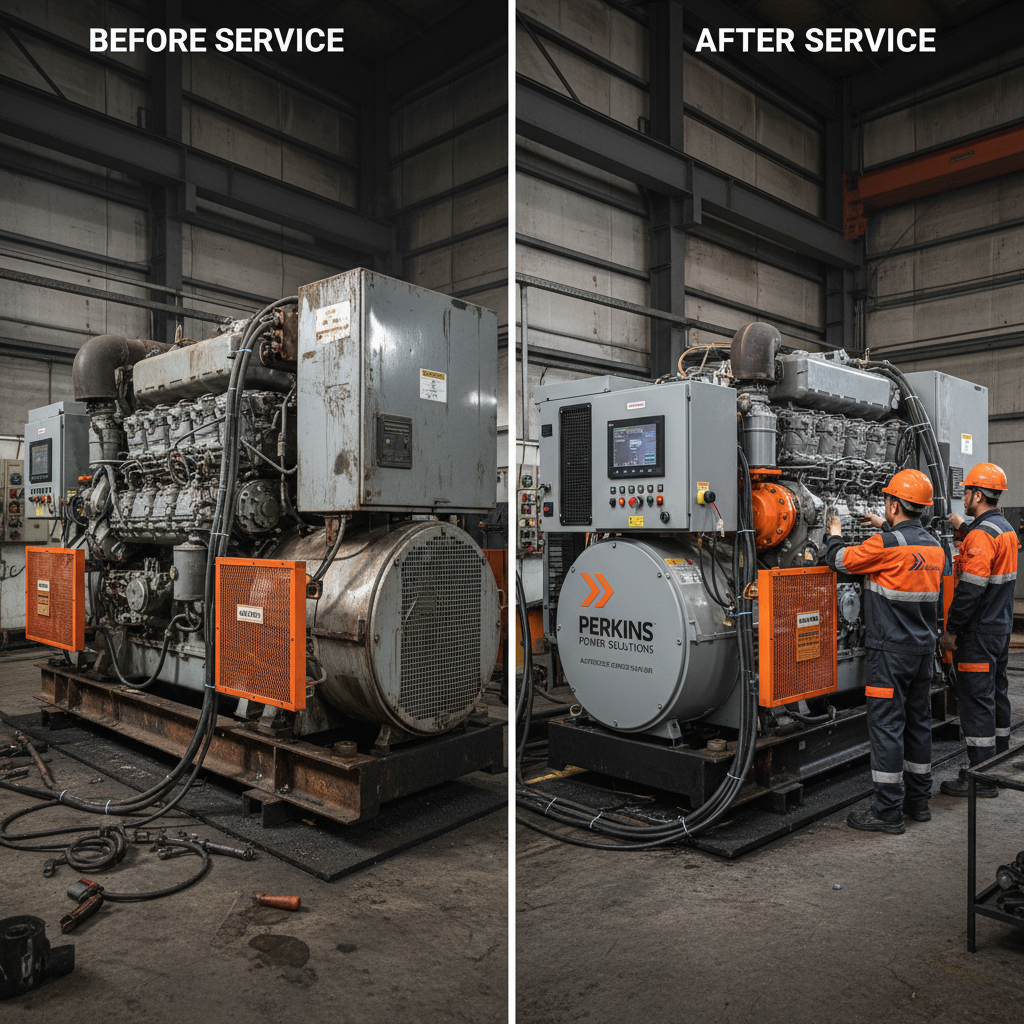
Regular maintenance is the cornerstone of operational reliability. A certified perkins generator service Supplier doesn't just change the oil; they perform a comprehensive health check on the entire system. This includes inspecting the fuel system for contaminants, testing the battery health, and ensuring the cooling system is functioning optimally. Preventative maintenance reduces the risk of catastrophic engine failure and extends the overall lifespan of your asset. By catching small leaks or worn-out belts early, businesses can avoid the massive costs associated with emergency repairs and unplanned operational halts.
Maintenance Pro Tip: Implementing a monthly load bank test can help prevent "wet stacking" in diesel generators, ensuring the engine remains clean and efficient during actual power outages.
A full-service provider offers a holistic approach to power management. From routine oil and filter changes to complex top-end overhauls, the scope of work is extensive. The primary goal is to maintain the original manufacturer specifications to ensure the engine operates within its designed parameters. Working with a specialized perkins generator service Supplier means you have access to diagnostic tools that can pinpoint electronic faults in the ECU (Engine Control Unit) quickly, reducing troubleshooting time from days to hours.
Standard Service Package Includes:
• Genuine Perkins filter and lubricant replacement
• Comprehensive coolant and radiator inspection
• Battery voltage and charging system verification
• Fuel system priming and leak detection
One of the most critical decisions when selecting a perkins generator service Supplier is their commitment to genuine parts. While aftermarket parts may seem cost-effective initially, they often lack the precise tolerances required for Perkins engines. Using non-genuine filters can lead to premature engine wear or fuel contamination, effectively voiding warranties and increasing the long-term total cost of ownership. Genuine parts are engineered specifically for the engine's pressure and temperature requirements.
Not all service providers are created equal. When vetting a perkins generator service Supplier, look for certifications and a proven track record of handling diverse power capacities. A professional supplier should offer transparent pricing and a clear maintenance schedule tailored to your specific usage patterns. Furthermore, the ability to provide emergency 24/7 support is non-negotiable for critical infrastructure. The best suppliers act as consultants, helping you optimize fuel consumption and reduce emissions while maintaining peak power output.
Understanding the service intervals of your engine helps in budgeting and planning. While specific intervals vary by model (e.g., 1100 series vs 400 series), a reputable perkins generator service Supplier will follow a strict timeline. Neglecting these intervals can lead to carbon buildup in the cylinders and oxidation of the engine oil, which significantly hampers efficiency. Below is a general guideline for Perkins engine service specifications.
Ultimately, the relationship between a business and its perkins generator service Supplier is an investment in risk mitigation. When a power failure occurs, the cost of downtime can far exceed the annual cost of a comprehensive service contract. Expert providers not only keep the machines running but also help in upgrading old systems to meet modern emissions standards and efficiency benchmarks. By prioritizing professional care, you ensure that your infrastructure remains resilient against any power instability, safeguarding your operations and your revenue.
Maintaining a Perkins engine requires precision, genuine components, and a deep understanding of diesel mechanics. By partnering with a professional perkins generator service Supplier, you eliminate the guesswork from your power strategy. From routine maintenance to emergency overhauls, expert service ensures your business never stays in the dark. Invest in quality care today to guarantee reliability tomorrow.
Most Perkins engines require a minor service every 250 to 500 operating hours, or once a year, whichever comes first. However, for generators used in standby mode, it is recommended to have a professional inspection at least twice a year to ensure the battery is charged and the fuel has not degraded. A professional supplier will create a customized maintenance calendar based on your specific load requirements and environmental conditions to ensure maximum uptime.
Using non-genuine parts can lead to several critical issues. Aftermarket filters often have lower filtration efficiency, allowing microscopic contaminants to enter the engine, which leads to premature wear of the piston rings and cylinder liners. Furthermore, non-OEM parts may not fit perfectly, leading to leaks or improper pressure regulation. Most importantly, using non-genuine parts typically voids the manufacturer's warranty, leaving you financially responsible for any major engine failures.
Yes, an experienced perkins generator service Supplier can significantly improve fuel efficiency. This is achieved through precise fuel injector calibration, cleaning the air intake system, and optimizing the engine's load matching. By ensuring the engine is not "under-loaded" (which causes wet stacking) or "over-loaded," a technician can help you achieve the best possible liters-per-kWh ratio, reducing both your operating costs and your environmental footprint.
You should contact your service supplier immediately if you notice any of the following: excessive black or blue smoke from the exhaust, a significant drop in oil pressure, unusual knocking sounds during operation, or difficulty starting the engine. Additionally, if you see any fluid leaks around the gaskets or if the engine is overheating faster than usual, it indicates a failure in the cooling or lubrication system. Early detection through professional diagnostics can prevent a total engine seizure.
Hit enter to search or ESC to close