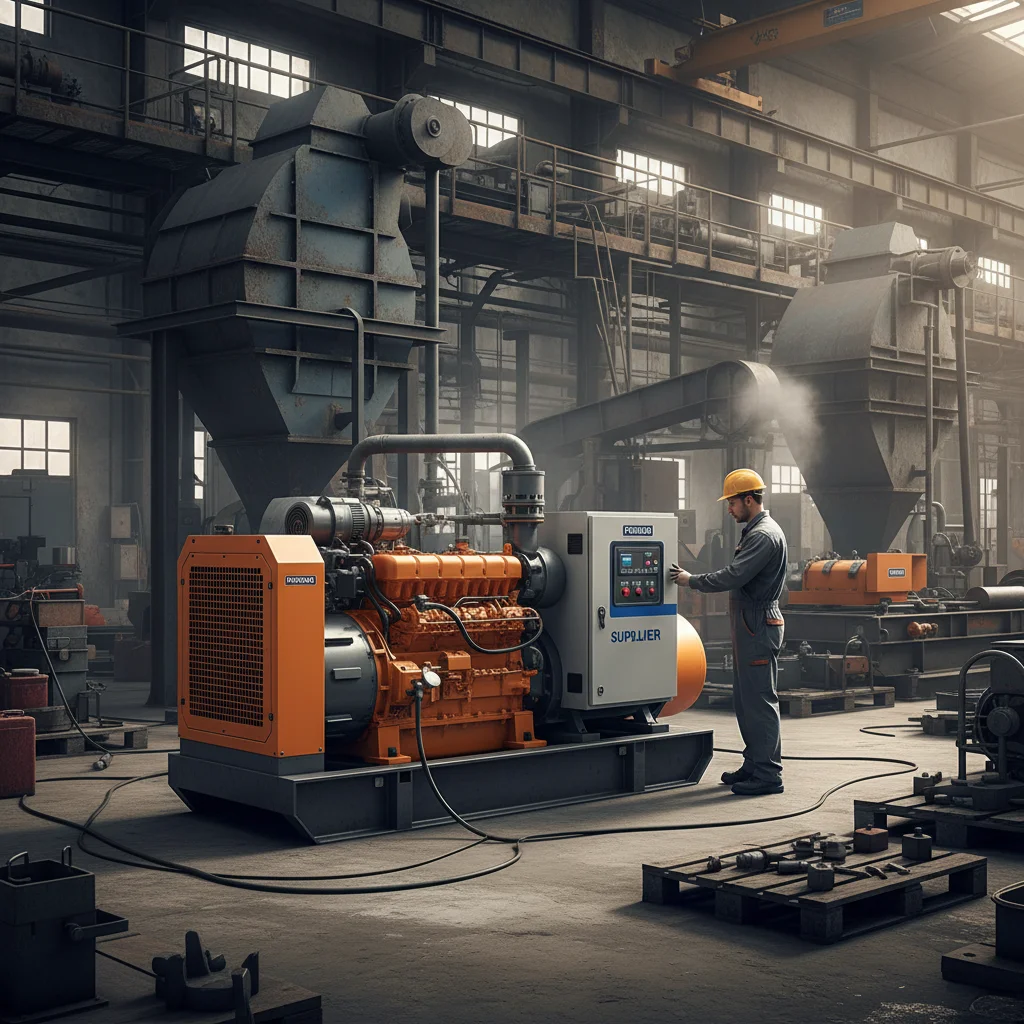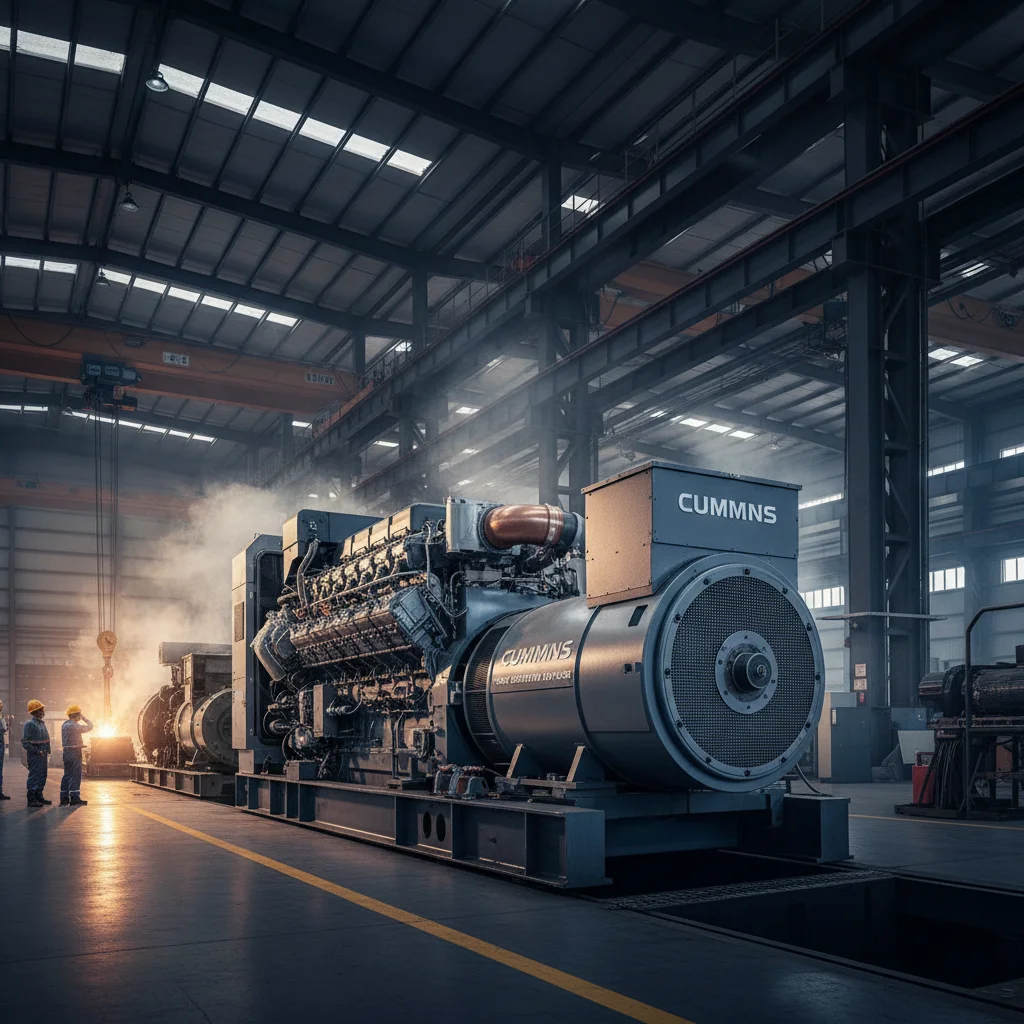
Finding a reliable perkins 1104a 44tg2 Supplier often begins with understanding the critical balance between engine specifications and the actual demands of the industrial application. In the power generation sector, the engine is the heart of the operation, and selecting the wrong power unit can lead to premature wear or inefficient fuel consumption.
The shift toward more stringent emission standards and the need for higher energy density has pushed industrial operators to look beyond basic power ratings. Modern requirements now emphasize lifecycle costs, carbon footprint reduction, and the ability to maintain stability under fluctuating loads, which transforms the procurement process from a simple purchase into a strategic asset investment.
Whether you are replacing an existing unit or designing a new power grid, evaluating your perkins 1104a 44tg2 Supplier involves analyzing not just the hardware, but the integration of the engine into a complete generator set that meets global compliance and operational efficiency targets.


Industrial power generation relies on the synergy between the prime mover—the engine—and the alternator. The core objective is to maintain a constant frequency and voltage regardless of the load changes. Engines like those provided by a specialized perkins 1104a 44tg2 Supplier are engineered to handle the mechanical stresses of continuous operation.
The mechanical foundation involves a reinforced cylinder block and hardened crankshafts, which prevent structural failure during long-term standby or peak load spikes. These fundamentals ensure that the equipment doesn't just produce power, but does so with a level of resilience that minimizes unplanned downtime.
When evaluating options from a perkins 1104a 44tg2 Supplier, the technical focus must shift toward fuel injection precision and turbocharging efficiency. High-pressure common rail systems have become the industry standard because they allow for precise timing and fuel metering, which directly impacts both the torque curve and the emission profile of the generator.
Beyond the fuel system, the cooling architecture is a critical variable. Advanced water-cooled systems are essential for operations in high-ambient temperature zones or high-altitude settings where air density is lower. A failure in thermal management often leads to derating, where the engine cannot produce its full rated power due to overheating risks.
Furthermore, voltage stability is paramount for sensitive electronic industrial machinery. The integration of high-performance alternators and electronic management systems ensures that the clean power output remains consistent, preventing costly damage to downstream equipment in data centers or healthcare facilities.
Environmental compliance is no longer an optional feature but a legal requirement in most global markets. The transition from basic diesel units to those meeting EPA Tier 4 Final or EU Stage V standards requires a fundamental change in engine design and exhaust treatment.
Compliance with global emission standards like IMO Tier III and EU Stage V is achieved through a combination of SCR (Selective Catalytic Reduction) and DPF (Diesel Particulate Filter) systems, shifting the focus from raw output to sustainable power delivery.
For organizations aiming for carbon neutrality, the ability to use hydrotreated vegetable oil (HVO) is becoming a decisive factor. Transitioning to HVO-compatible engines allows businesses to reduce their carbon footprint significantly without sacrificing the mechanical reliability associated with traditional diesel combustion.
Operational economy is measured by the Total Cost of Ownership (TCO), which includes initial capital expenditure, fuel consumption across various load ranges, and maintenance intervals. A high-quality perkins 1104a 44tg2 Supplier will provide data on fuel consumption at 25%, 50%, 75%, and 100% load to help buyers calculate actual running costs.
Precision fuel delivery and electronically controlled management systems minimize waste and optimize the combustion cycle. This results in extended service intervals, reducing the frequency of oil changes and filter replacements, which in turn lowers the operational expenditure (OPEX) over the asset's lifespan.
In a typical industrial setting, such as a manufacturing plant or a large-scale data center, the generator is used as a critical backup. Here, the focus is on "start-up reliability" and "transient response"—the ability of the engine to take on the full load almost instantaneously when the main grid fails. For these applications, Open Diesel Generators or Silent Diesel Generators are selected based on the installation environment's noise regulations.
Alternatively, in construction or mining, Mobile Silent Diesel Generators are required. These units must withstand extreme vibrations, dusty environments, and varying altitudes. The resilience of the reinforced cylinder block, a staple of professional perkins 1104a 44tg2 Supplier offerings, ensures that the equipment maintains its output even in humid or thermally extreme conditions.
The industry is moving away from simple manual panels toward integrated digital ecosystems. Modern power management involves real-time diagnostics, where the engine's health is monitored via integrated interfaces. This allows for predictive maintenance—scheduling a service based on actual wear and performance metrics rather than fixed calendar dates.
Remote monitoring has become essential for managing multiple generator sets across different geographic locations. Through a centralized interface, operators can track fuel levels, operational hours, and receive automated alerts before a minor issue leads to total system failure.
Smart load management is the next frontier. By automating the distribution of energy based on real-time demand, these systems can optimize fuel consumption and reduce the wear on the engine, significantly extending the operational lifespan of the generator set.
Choosing the right partner involves a trade-off between upfront cost and long-term resilience. A low-cost supplier might provide a basic engine, but the lack of advanced fuel injection or reinforced components often leads to higher OPEX through increased fuel use and frequent repairs.
Comparing a standard diesel generator with a high-specification series, such as the Volvo-powered KC-V series, reveals a clear distinction in lifecycle value. While the initial investment is higher, the reduction in fuel consumption and the extension of maintenance cycles create a more favorable TCO over a 10-year period.
The following framework outlines the key considerations when auditing a perkins 1104a 44tg2 Supplier to ensure the equipment aligns with industrial-grade reliability and global sustainability standards.
| Evaluation Factor | Standard Diesel Gen | High-Spec Series (e.g. KC-V) | Impact on Operation |
|---|---|---|---|
| Fuel System | Mechanical Injection | High-Pressure Common Rail | Fuel Economy & Emissions |
| Emission Compliance | Basic / Regional | EPA Tier 4 / EU Stage V | Legal & Env. Stewardship |
| Service Intervals | Frequent / Standard | Extended / Optimized | Maintenance Downtime |
| Build Quality | Standard Casting | Reinforced Block/Crankshaft | Durability in Extremes |
| Monitoring | Analog Gauges | Real-time Digital Diagnostics | Predictive Maintenance |
| Lifecycle Cost | Higher Opex | Optimized Lifecycle Cost | Long-term Profitability |
Common rail systems allow for incredibly precise control over the fuel injection timing and pressure. Unlike older mechanical systems, they can adjust the fuel delivery in real-time based on the load, which significantly improves fuel efficiency, reduces noise, and lowers harmful emissions, making the generator more compliant with modern environmental laws.
Reinforced blocks and hardened crankshafts provide greater structural integrity, which is crucial when operating in extreme thermal environments or high altitudes. They resist deformation under high heat and are more durable against the stresses of humid or dusty conditions, ensuring the engine doesn't suffer from catastrophic failure in remote industrial sites.
Standby power is the maximum capacity a generator can provide for a short duration during a utility failure. Continuous duty (Prime Power) is the capacity the generator can provide indefinitely at a constant load. When choosing a supplier, it is vital to ensure the engine is rated for the specific duty cycle of your application to avoid overloading the unit.
While some engines can handle HVO, it is best to procure units that are explicitly HVO-compatible from the start. HVO-compatible engines are designed with seals and fuel system components that can handle the chemical properties of hydrotreated vegetable oil, allowing for a seamless transition to carbon-neutral operations without risking engine damage.
Predictive maintenance uses real-time diagnostics to identify wear patterns before they cause a breakdown. By replacing a part exactly when it is needed—rather than on a fixed schedule or after a failure—companies reduce the cost of unnecessary parts replacements and eliminate the massive financial losses associated with unplanned operational downtime.
Sensitive industrial electronics, such as PLC controllers and servers, can be damaged or malfunction if the incoming voltage fluctuates. High-performance alternators and electronic management systems ensure a steady sine wave and consistent voltage, which protects the hardware and prevents data loss or production errors in automated environments.
Securing a reliable power supply depends on more than just the brand of the engine; it requires a holistic approach to selection that considers emission compliance, fuel efficiency, and long-term durability. By focusing on high-pressure common rail systems and reinforced construction, industrial operators can ensure their energy infrastructure is resilient enough to handle the challenges of the next decade.
Ultimately, the value provided by a professional perkins 1104a 44tg2 Supplier lies in the ability to integrate these technical advantages into a turnkey solution. Whether through the deployment of silent canopies or containerized systems, the goal is to balance immediate power needs with a sustainable, low-maintenance operational strategy.

Hit enter to search or ESC to close