You know, things are moving fast these days. Everyone's talking about prefabrication, modular construction... it's all the rage. But honestly, a lot of these designs look great on paper but fall apart the second you try to actually build them. I’ve spent the last 20 years crawling around construction sites, and I’ve seen it all.
The biggest problem? Over-engineering. Designers think they need all these fancy features, these intricate connections. What they forget is that a construction worker with a wrench is going to be the final judge. Simplicity is key. Keep it straightforward, keep it robust. And for goodness sake, make sure someone actually knows how to install it.
It's not just about the design though. It’s about the materials.
The Evolving Landscape of perkins generator 20kva Supplier
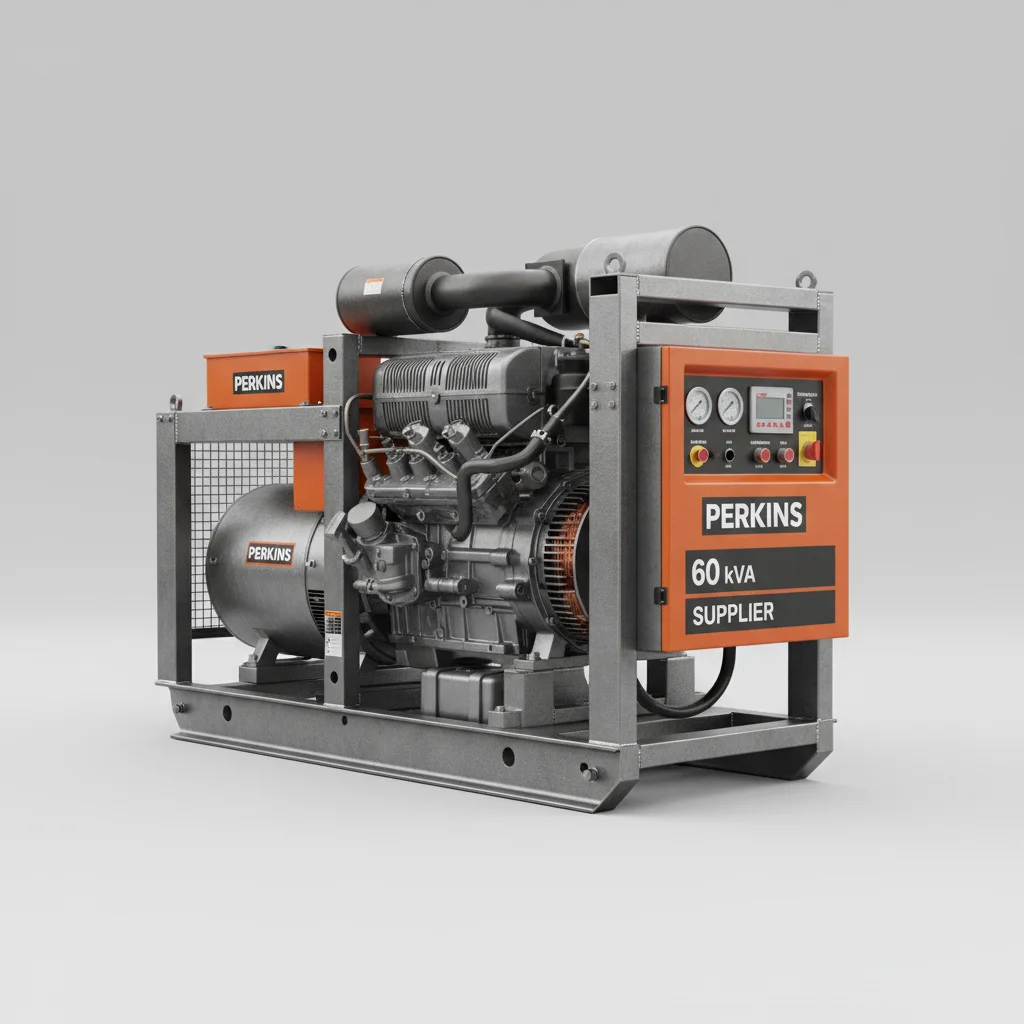
Look, the demand for reliable power is always there, but lately it's been exploding. Data centers, remote construction sites, even just folks wanting a backup for their homes… everyone needs juice. And they need it now. That’s why perkins generator 20kva Supplier are so crucial.
Have you noticed how much more emphasis is being put on sustainability too? Used to be, nobody cared where the power came from. Now, everyone’s asking about emissions, fuel efficiency, noise levels… it's a good thing, honestly. Forces us to improve. And it's not just about being "green" – it's about regulations, too. They’re getting stricter all the time.
Design Pitfalls: Lessons from the Field
To be honest, one of the biggest headaches I see is complicated control panels. Engineers love to add all these bells and whistles – fancy displays, remote monitoring, automatic transfer switches… but a lot of times, it just makes things harder for the guys on site. They need something they can understand at a glance. A simple interface. A clear status light. That’s it.
I encountered this at a factory in Ningbo last time. They were so proud of this new generator with its touchscreen interface, but when I asked the technician how to reset a fault code, he just stared at me blankly. A simple button would have been a lot more useful.
Another thing? Accessibility. Designers forget that these generators sometimes need to be serviced in tight spaces. Make sure everything is easily reachable, not buried under a pile of components. Otherwise, you're just asking for trouble.
Material Matters: A Hands-On Perspective
Strangely, people underestimate the importance of the enclosure. It's not just a box to keep the rain out. It needs to be tough, corrosion-resistant, and properly insulated. I prefer steel – it feels solid, you know? You can really tell the quality when you knock on it. Aluminum's okay, but it dents too easily.
The wiring is crucial too. You can smell a cheap cable a mile away – that plastic smell, the flimsy insulation. Good quality copper wiring, properly terminated, is worth its weight in gold. Don't skimp on that. And the fuel tank? It has to be robust enough to withstand vibrations and impacts. I’ve seen too many cracked tanks leaking diesel all over the place. It’s a mess.
Even the paint matters. A good, durable coating protects against rust and fading. You can tell a quality paint job by the way it feels – smooth, consistent, and slightly tacky. A cheap paint job will bubble and peel after a few months. It's the little things, you know?
Real-World Testing: Beyond the Lab
Lab testing is fine, but it doesn't tell you the whole story. You need to put these generators through their paces in real-world conditions. I'm talking about extreme temperatures, high humidity, dusty environments… the kind of conditions you find on a typical construction site.
We do a lot of our testing ourselves. We'll run a generator flat out for days, monitor the oil temperature, check for leaks, listen for unusual noises. We've even submerged them in water to see how they hold up (don't tell the engineers!). It's brutal, but it's the only way to be sure.
perkins generator 20kva Supplier Performance Metrics
Usage Patterns: What Users Actually Do
You’d think people would follow the maintenance schedules, right? Change the oil, clean the filters, check the coolant levels… but a lot of times, they don’t. They just want it to work. That's why we design for a bit of neglect. We use heavier-duty components, more robust filters, and longer-life lubricants.
And strangely, a lot of guys don't even read the manual. They just plug it in and hope for the best. So, we try to make everything as intuitive as possible, with clear labeling and simple controls. Because let’s face it, nobody has time to read a 100-page manual.
Advantages and Shortcomings: A Pragmatic View
Okay, the advantages are pretty clear. Reliability, power output, fuel efficiency… perkins generator 20kva Supplier deliver. They’re workhorses. But they’re not perfect. They’re noisy, for one thing. And they require regular maintenance. And they’re not exactly environmentally friendly.
Anyway, I think the biggest drawback is the initial cost. They’re not cheap. But you get what you pay for. A cheap generator will cost you more in the long run – in repairs, downtime, and frustration.
Honestly, the competition is getting better, though. Some of the newer brands are offering decent performance at a lower price point. But they haven't quite proven themselves yet.
Customization and a Client Story
We can customize a lot of things. Voltage, frequency, fuel type, control panel… even the color. Last month, that small boss in Shenzhen who makes smart home devices insisted on changing the interface to , and the result was a week of headaches getting it to work properly with the existing systems. He wanted it to “look modern.” I told him it was a terrible idea, but he wouldn't listen. He wanted a special paint job too - bright orange. Said it would "match his brand."
It's requests like that that make you scratch your head. But hey, it's their money.
The key is finding a balance between customization and standardization. Too much customization adds cost and complexity. But sometimes, you have to be flexible to meet the customer’s needs. It’s a tightrope walk, that’s for sure.
Summary of Key Features and Trade-offs
| Feature |
Pros |
Cons |
Typical Cost (USD) |
| Power Output |
Reliable 20 kVA for diverse applications |
Can be insufficient for large-scale operations |
$8,000 - $12,000 |
| Fuel Efficiency |
Optimized engine design for reduced fuel consumption |
Still relies on fossil fuels |
5-8 liters/hour |
| Noise Level |
Sound attenuation features minimize noise pollution |
Can still be audible in quiet environments |
75-85 dB |
| Durability |
Robust construction for long-term reliability |
Requires regular maintenance to preserve lifespan |
Expected lifespan: 5-10 years |
| Maintenance |
Relatively straightforward maintenance procedures |
Requires skilled technicians for complex repairs |
$500 - $1000/year |
| Portability |
Compact design for easy transport |
Not easily moved once installed |
Weight: ~800 kg |
FAQS
With proper maintenance – and that’s a big ‘if’ – you can expect a well-built perkins generator 20kva Supplier to last anywhere from 5 to 10 years, sometimes even longer. It really depends on how hard it’s worked and how well it's been looked after. Things like oil changes, filter replacements, and regular inspections are critical. Neglect it, and you’ll be looking at major repairs sooner rather than later.
Most perkins generator 20kva Supplier are designed to run on diesel, and that’s usually the most readily available and cost-effective option. However, some models can be adapted to run on biodiesel or even natural gas, although that typically requires some modifications and may affect performance. It's important to check the manufacturer's specifications before switching fuels.
They're not quiet, that’s for sure. Expect around 75 to 85 decibels, which is roughly equivalent to a busy highway. Luckily, there are things you can do to reduce the noise. Soundproof enclosures are the most effective solution, but they add cost and complexity. You can also use vibration dampeners and locate the generator away from sensitive areas.
Regular maintenance is essential. That includes oil and filter changes, coolant checks, battery inspections, and checking for leaks. It’s also important to run the generator under load periodically to keep everything lubricated and prevent corrosion. Following the manufacturer’s recommended maintenance schedule is crucial for ensuring long-term reliability.
Let’s be realistic – they’re not. They produce emissions, and they rely on fossil fuels. However, newer models are becoming more efficient and incorporating technologies to reduce emissions. Using biodiesel or exploring alternative fuels can also help minimize the environmental impact. It's a trade-off, but we’re constantly working to make them cleaner.
You’re looking at anywhere from $8,000 to $12,000, depending on the features, brand, and where you buy it from. Don’t necessarily go for the cheapest option. A slightly more expensive model from a reputable manufacturer will likely save you money in the long run through increased reliability and reduced maintenance costs.
Conclusion
Ultimately, perkins generator 20kva Supplier are a vital piece of equipment for a huge range of applications, from construction sites to hospitals to remote communities. They offer reliable power when and where it's needed. They're not without their drawbacks – noise, emissions, maintenance requirements – but the benefits often outweigh the costs.
Ultimately, whether this thing works or not, the worker will know the moment he tightens the screw. Don't overthink it, don't overcomplicate it. Keep it simple, keep it reliable. And if you’re looking for a perkins generator 20kva Supplier that will stand the test of time, visit our website.