Look, after running around construction sites all year, you start to see patterns. Lately, everyone’s talking about miniaturization, right? Everything’s gotta be smaller, lighter… even the generators. But to be honest, shrinking things down always comes with a trade-off. People forget that. A 20kva Perkins generator supplier isn’t just about slapping a smaller engine on a frame. It’s a whole system.
I’ve seen too many designs that look great on paper, all slick and compact, then fall apart the moment a real electrician gets their hands on them. Like, have you noticed how often they skimp on access panels? You end up needing contortionist skills just to change a fuel filter. Seriously. It’s frustrating. And the guys on site? They just want something that works, without needing a PhD in engineering.
We’re talking about a 20kva Perkins generator, so naturally, the heart of it is that Perkins engine. Good stuff, generally. But even with Perkins, the devil is in the details. The alternators... now those are where things get interesting. We use Stamford alternators, mostly. They just seem to hold up better in the real world, you know? Less winding failure, better voltage regulation. And the steel… oh, the steel. You can tell a lot about a generator by the smell of the steel when you weld it. Cheap steel smells…off. Like burnt plastic. We source ours from Baosteel; it’s heavier, more expensive, but it lasts. Anyway, I think that's a good start.
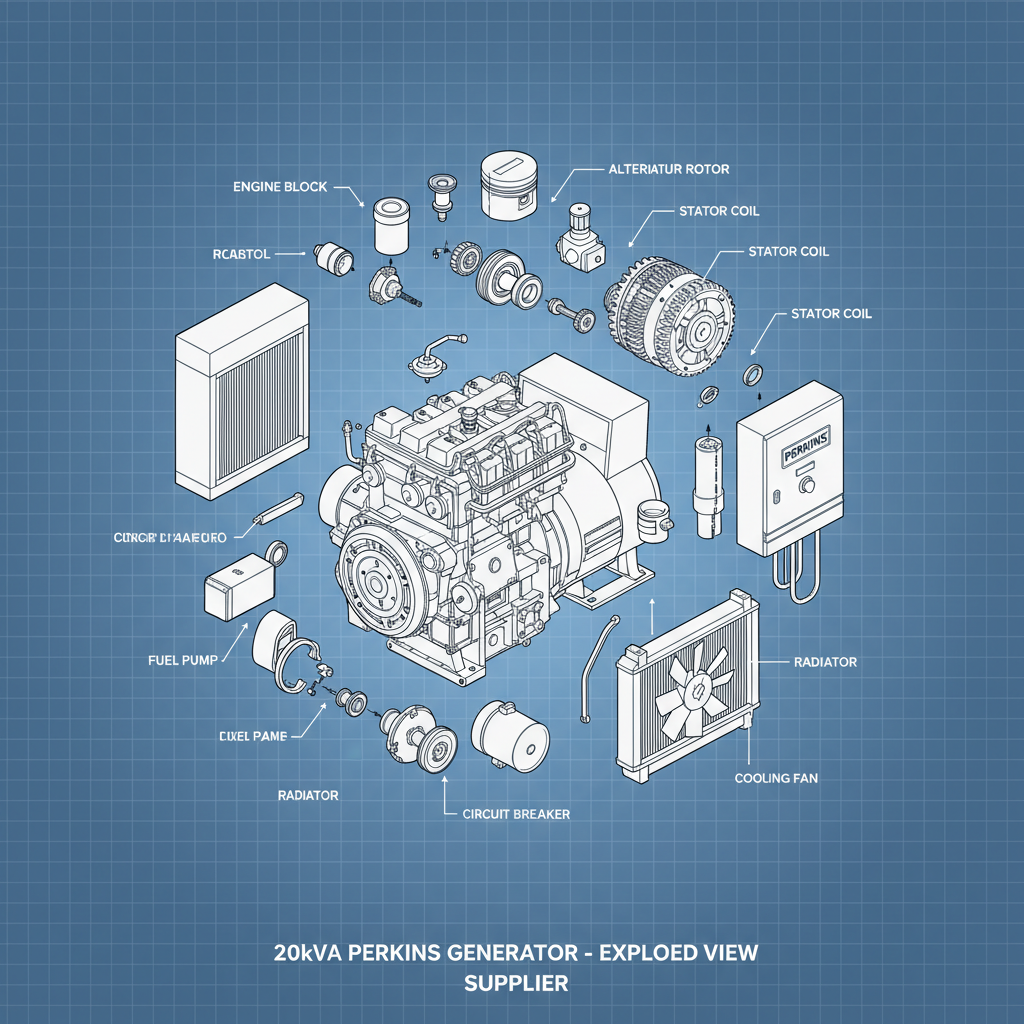
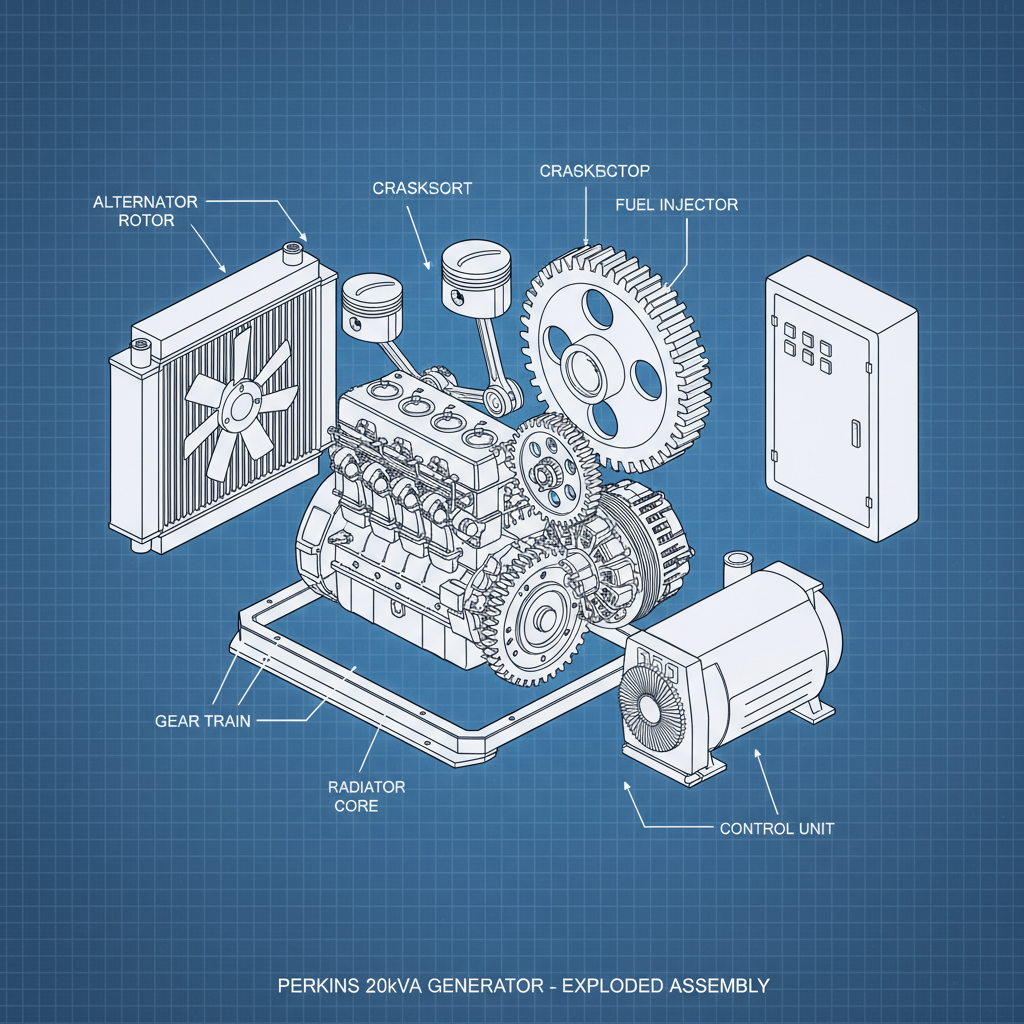
Honestly, the push for “smart” generators is a bit much. I mean, do you really need to monitor the oil level with an app? The guys in the field just want to know if it’s going to start when they pull the cord. What I have seen is a demand for quieter operation. Especially in urban areas. That’s a good thing. But it can’t come at the expense of reliability. Soundproofing adds weight and complexity, and if it’s done wrong, it just traps heat.
And the biggest pitfall? Underestimating the environment. These things get used in dust storms, monsoon rains, blazing deserts… you name it. A pretty enclosure doesn’t mean a thing if the electronics inside are fried by humidity. We learned that the hard way on a project in Qatar a few years back… forget it, I won't mention it.
With regular servicing – oil changes, filter replacements, and a careful eye on the cooling system – you can realistically expect a 20kva Perkins generator to last between 5,000 and 8,000 hours. That translates to roughly 5 to 8 years of moderate use. Of course, usage conditions matter a lot. Running it hard in a dusty environment will shorten its life. Proper maintenance is key. And don't skip the load tests!
High ambient temperatures can significantly reduce the generator's output power. The engine has to work harder to cool itself, which leaves less power available for the load. It's like trying to run a marathon in a sauna. We usually derate the generator's capacity by about 3% for every 10 degrees Celsius above 40°C. Good ventilation is crucial. And ensuring the cooling system is functioning optimally.
Perkins engines are generally designed to run on diesel fuel meeting EN 590 standards. Using lower-quality diesel can lead to fuel injector problems and reduced engine life. We recommend sticking with reputable fuel suppliers and using a fuel additive to help keep the injectors clean. Biodiesel blends are possible, but check with Perkins for specific compatibility guidelines. The fuel filter needs changing more often, naturally.
The most common culprits are fuel system issues – clogged fuel filters, dirty fuel tanks, and failing fuel pumps. Electrical problems are also frequent, often caused by loose connections or corrosion. Low oil levels and overheating are serious issues that can lead to catastrophic engine failure. Regular inspections and preventative maintenance can catch these problems before they become major headaches.
Absolutely. Noise pollution is a big concern, especially in urban areas and residential zones. We offer several noise reduction options, including soundproof enclosures, silencers for the exhaust system, and vibration dampeners. A properly designed enclosure can reduce noise levels by 15-20 decibels. But remember, soundproofing adds weight and complexity, so there's always a trade-off.
Yes, absolutely. But it's not as simple as just plugging two generators together. They need to be synchronized – meaning their voltage, frequency, and phase angle must be matched. We offer parallelization systems that automatically handle the synchronization process. It's a cost-effective way to increase power output without having to buy a larger generator. And the redundancy is a big plus.
So, there you have it. A 20kva Perkins generator supplier isn’t just about selling a piece of equipment; it’s about providing a reliable power source that can withstand the rigors of real-world conditions. It's about understanding the nuances of engine design, material science, and on-site operation. It's about anticipating problems before they happen and providing solutions that work.
Looking ahead, I think we'll see a continued focus on miniaturization, noise reduction, and fuel efficiency. Digital monitoring and remote diagnostics will become more commonplace. But ultimately, the success of any generator will depend on its ability to perform reliably in the field. And whether it's doing so, the worker will know the moment he tightens the screw.

Hit enter to search or ESC to close