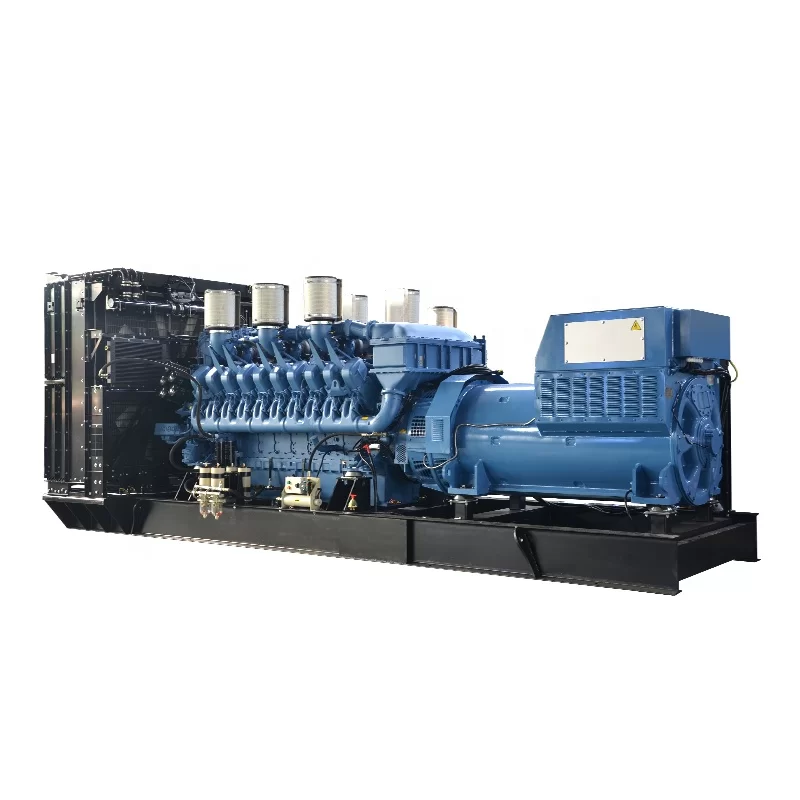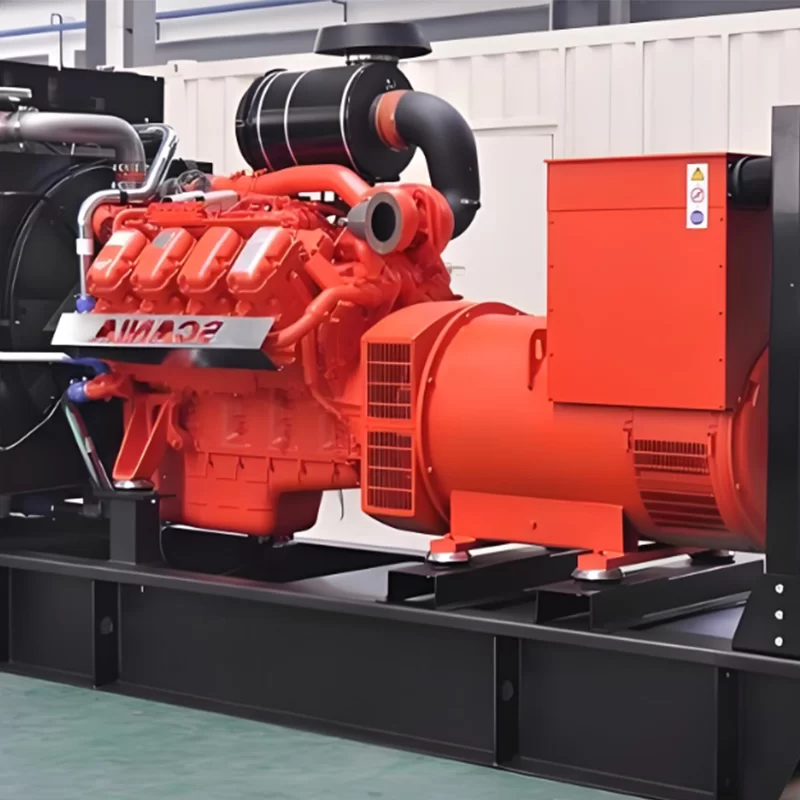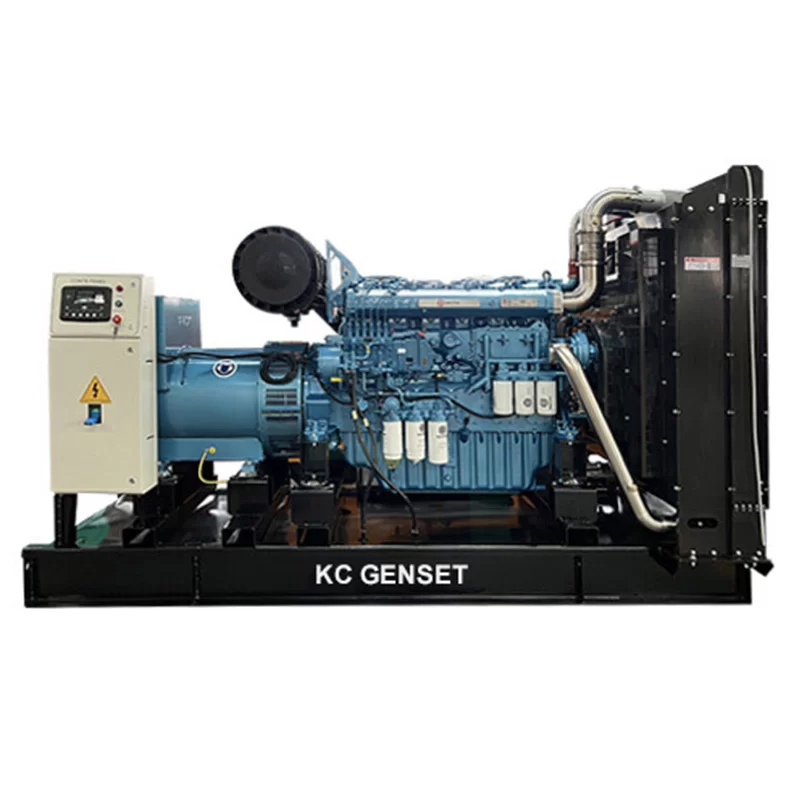
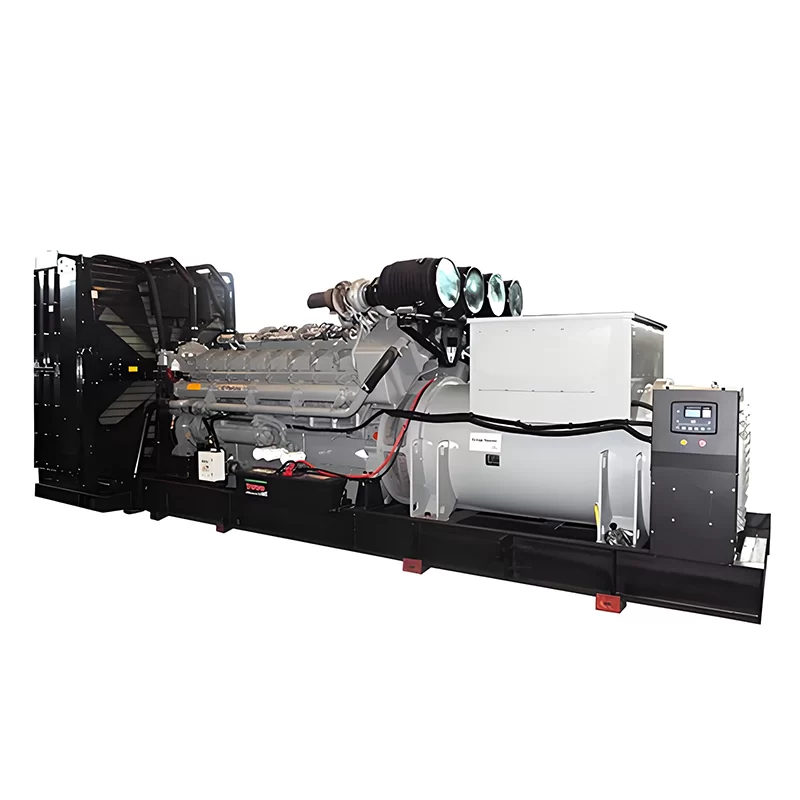
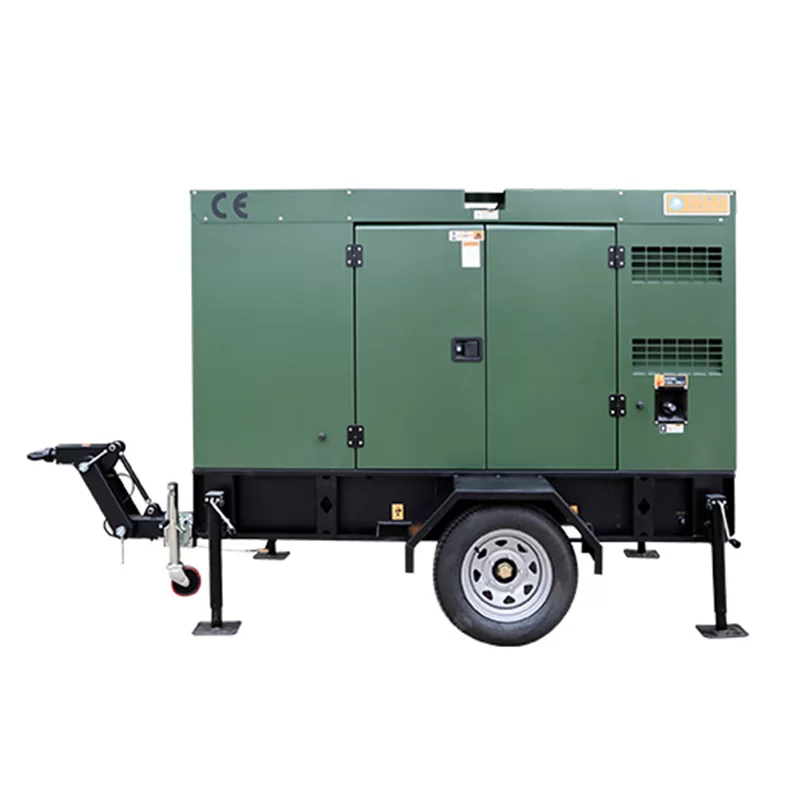
Nigeria's industrial sector faces chronic power instability, forcing businesses to rely heavily on a silent diesel generator to maintain operations without disrupting surrounding urban environments. The volatility of the national grid makes self-sufficient power not a luxury, but a survival requirement for manufacturing plants.
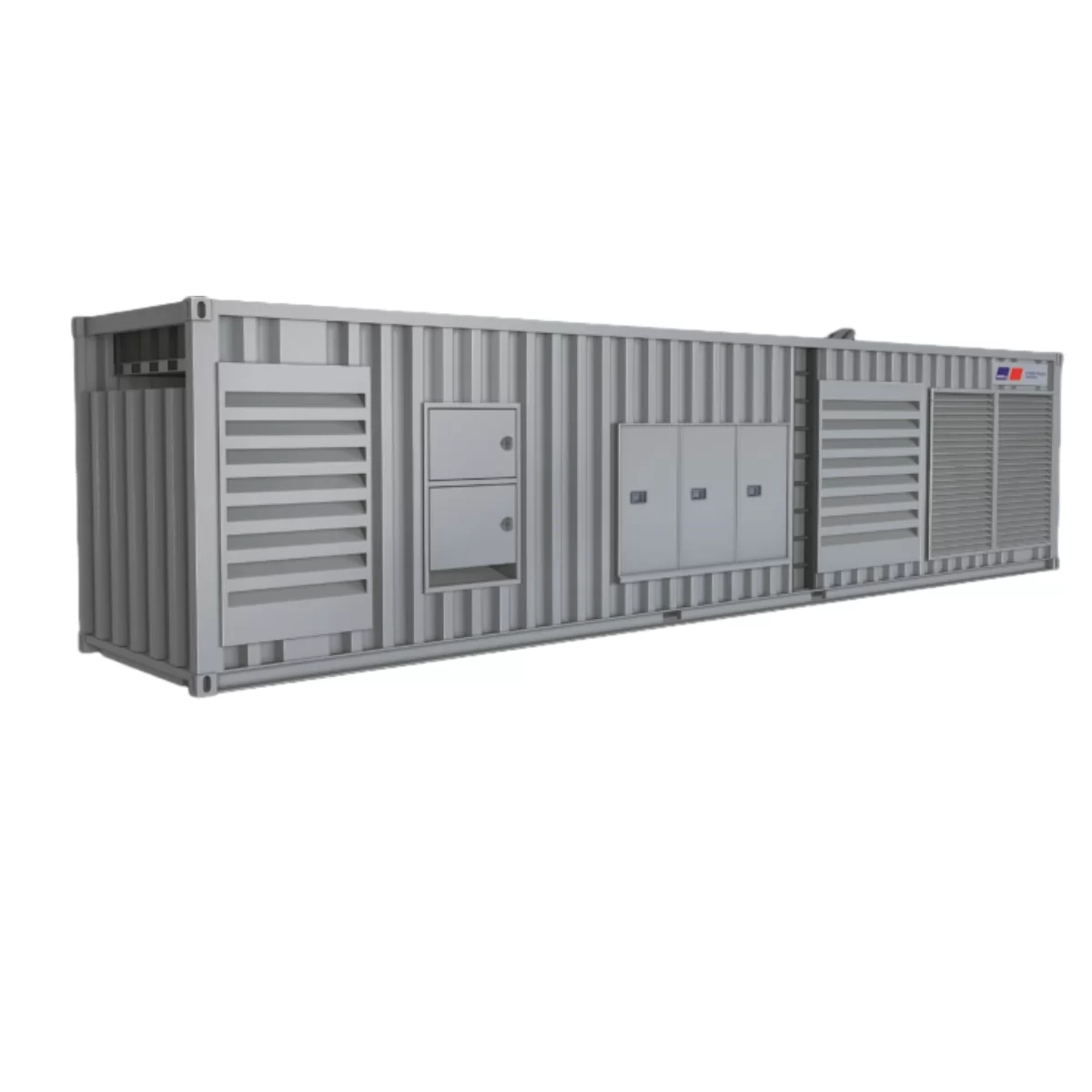
Environmental factors, including high humidity and dust levels in regions like Kano and Port Harcourt, demand equipment with superior cooling and filtration. This has led to an increased demand for a containerized generator that protects the engine from corrosive coastal air and extreme heat.
Economic fluctuations and supply chain delays have made "immediate availability" a primary purchasing driver. Consequently, the market prioritizes suppliers who maintain generators in stock to prevent costly production halts caused by long lead times.