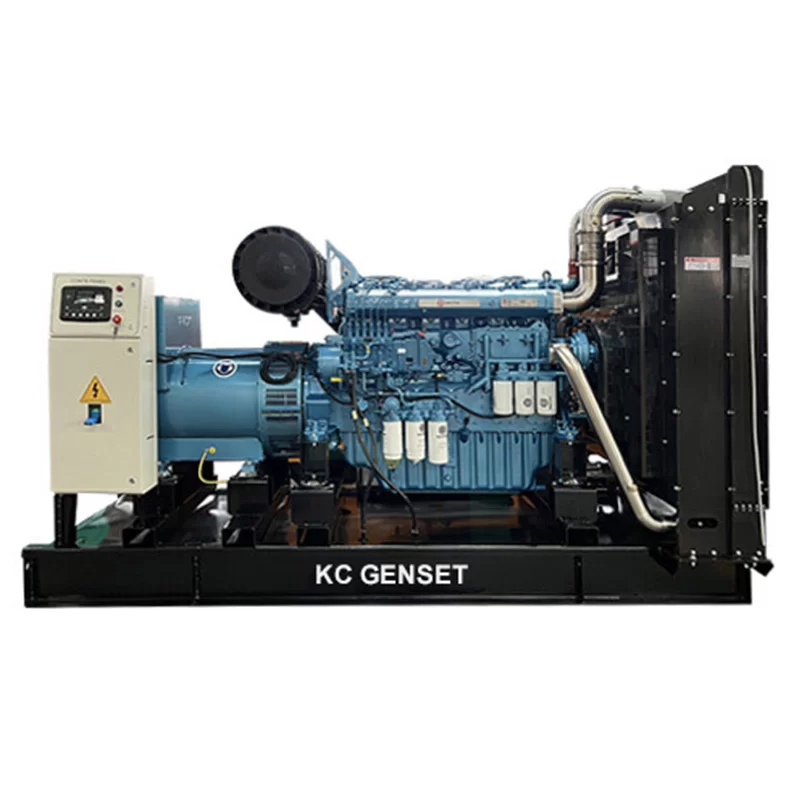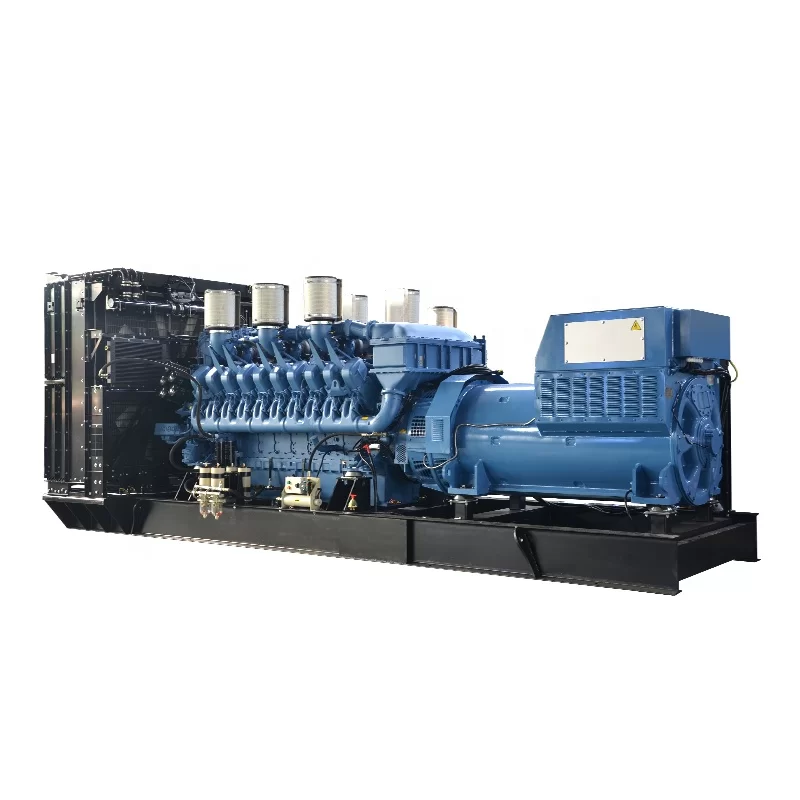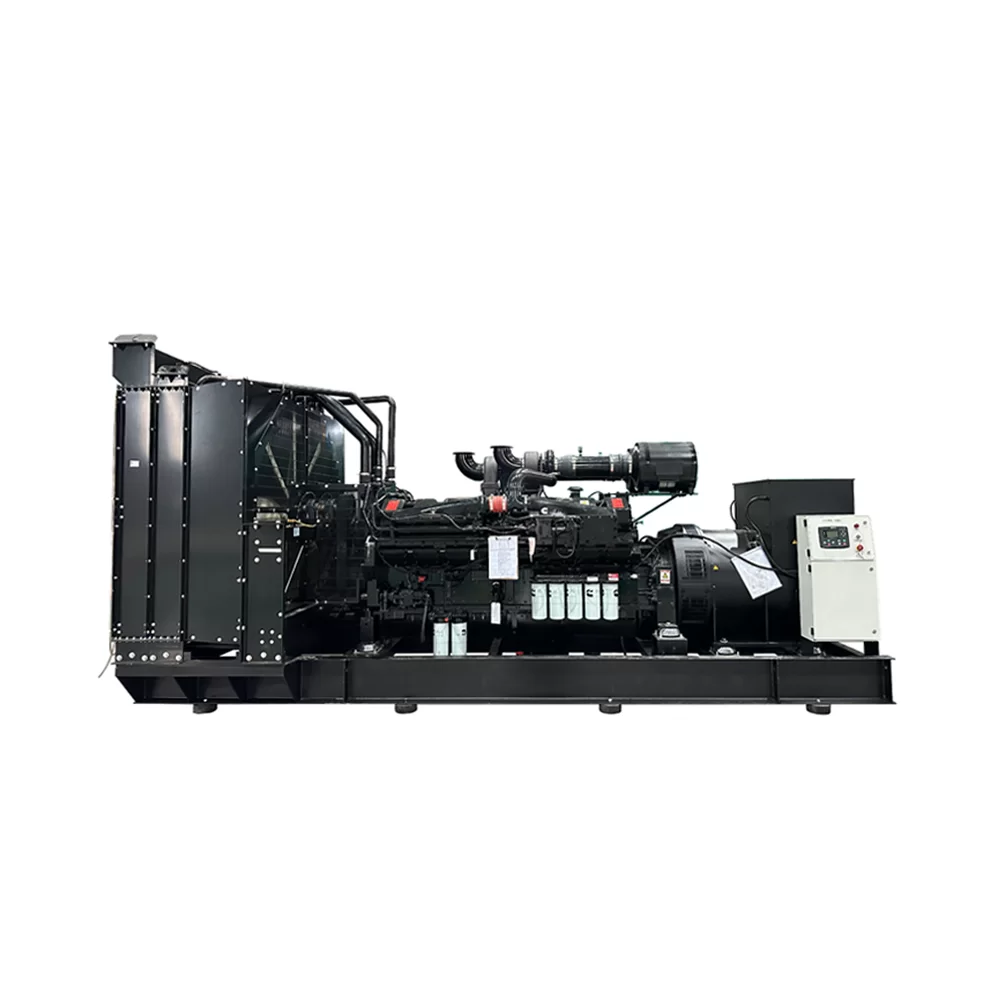
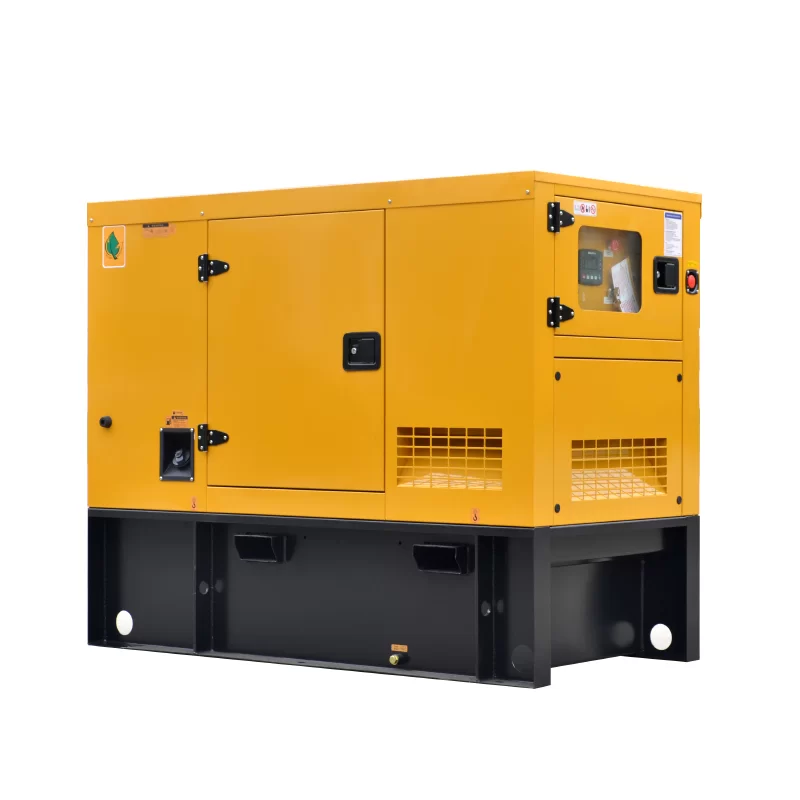
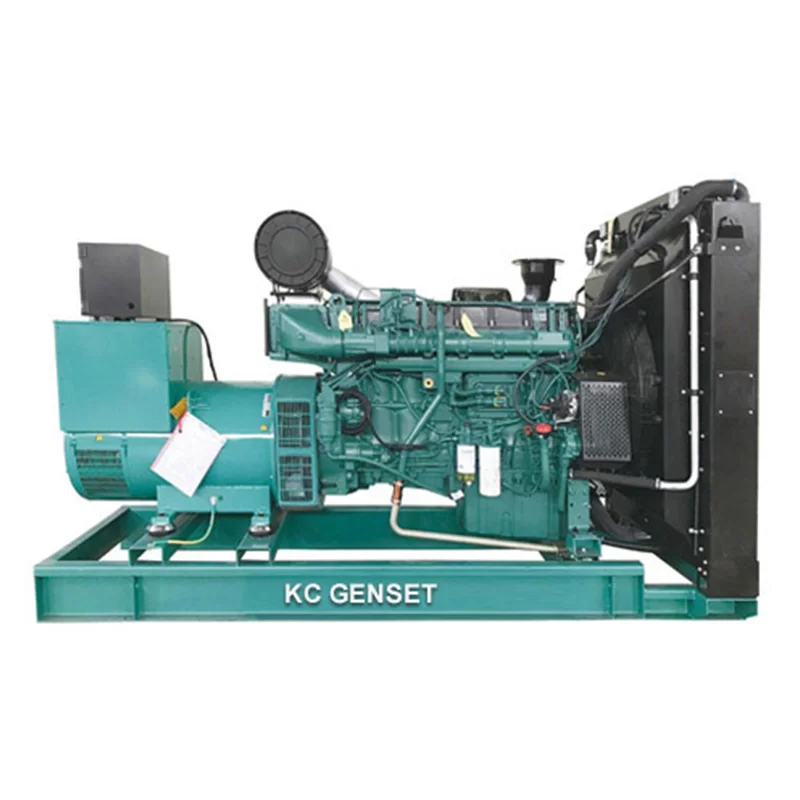
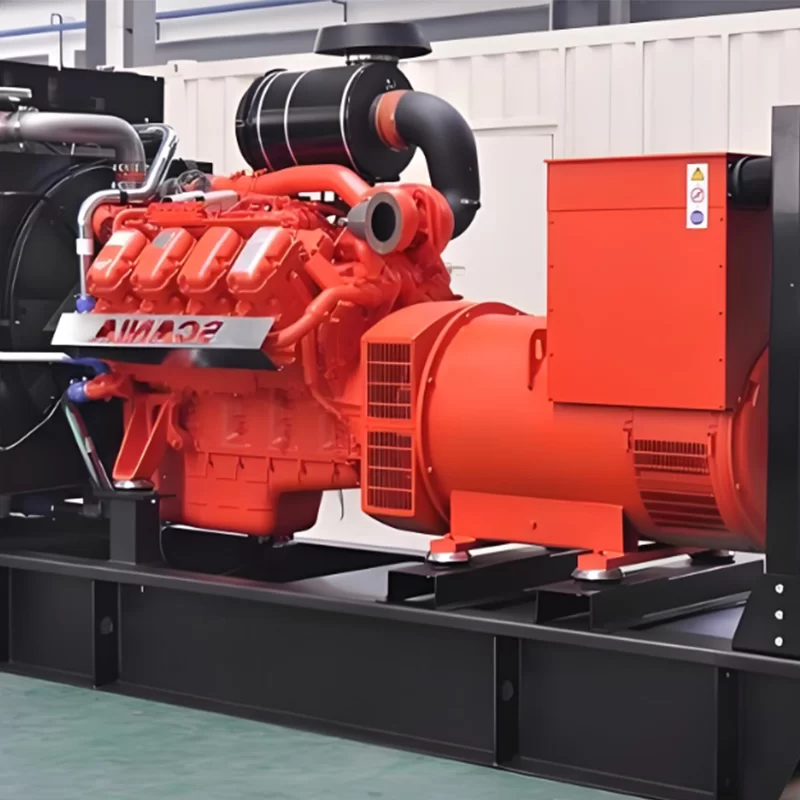
Afghanistan's energy landscape is characterized by significant gaps in the national grid, forcing businesses to rely heavily on localized power. The extreme temperature fluctuations—from freezing winters in the Hindu Kush to scorching summers—require a containerized generator that can withstand environmental stress and protect internal components from dust and heat.
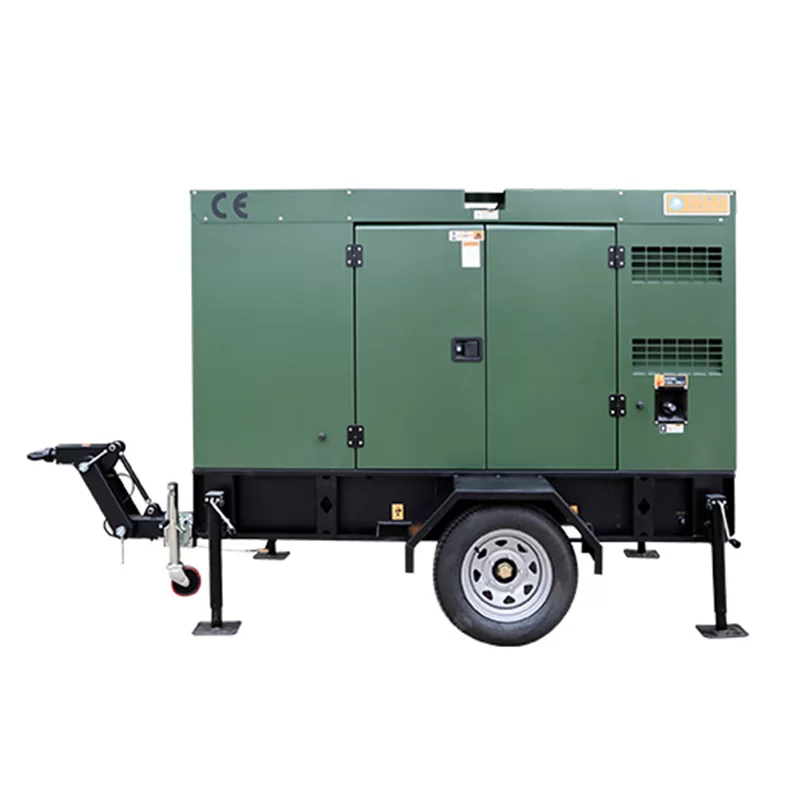
Due to the geographical challenges and infrastructure limitations, the ability to move power sources quickly is critical. This has led to a surge in the adoption of the trailer generator, allowing construction firms and NGOs to maintain operational continuity across diverse provincial terrains.
Furthermore, in urban centers like Kabul and Herat, noise pollution regulations and the need for unobtrusive power have made the silent diesel generator the preferred choice for hospitals, hotels, and government offices, ensuring stable electricity without disturbing the surrounding community.