The demand for high-capacity backup power has shifted toward more integrated, mobile, and secure architectures to combat the volatility of remote infrastructure. For organizations seeking a reliable perkins generator 500kva Supplier, the focus is no longer just on the engine's raw output, but on how that power is shielded from environmental degradation and operational risks.
In industrial environments, a 500kVA output is a critical threshold, often supporting entire data center wings, hospital emergency wards, or large-scale mining operations. The primary engineering challenge lies in maintaining this output across extreme temperature fluctuations and corrosive atmospheres, where traditional open-skid units often succumb to premature wear or mechanical failure.
This analysis examines the transition from standard open-frame installations to containerized power solutions, exploring how advanced enclosure engineering enhances the lifecycle of high-capacity gensets. For those evaluating their infrastructure needs, exploring a perkins generator 500kva Supplier can provide insights into the efficiency gains of plug-and-play deployment.


Modern containerized systems, such as the PowerBox, move beyond simple housing by integrating the diesel genset into a reinforced steel ISO container. This architecture transforms the generator from a piece of machinery into a self-contained power plant, offering a comprehensive shield against physical damage and vandalism.
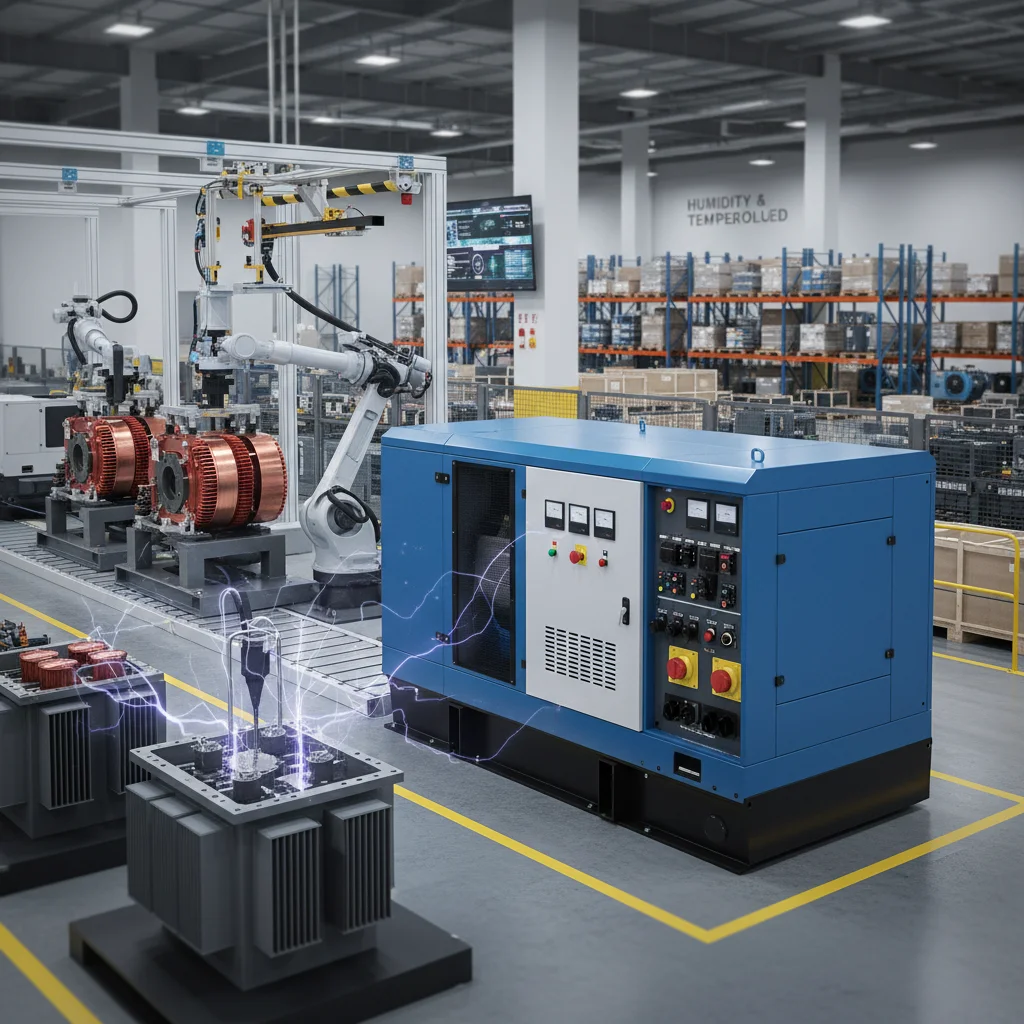
From an engineering perspective, this structure ensures that critical components are isolated from external humidity, blowing sand, and torrential rain, which are the leading causes of electrical shorts and engine corrosion in traditional installations.
Operating a 500kVA unit requires precise thermal management. In a containerized setup, the airflow must be meticulously engineered to prevent heat soak, which can lead to derating—where the generator cannot maintain its full 500kVA capacity due to overheating.
The integration of high-performance diesel engines with optimized cooling radiators within the ISO shell allows for stable operation even in high-ambient temperature zones. This is achieved through baffled intake and exhaust systems that maximize air exchange while minimizing the entry of contaminants.
Furthermore, adhering to EPA Tier 4 Final or EU Stage V emission standards requires the integration of scrubbers and particulate filters. In a PowerBox system, these are professionally wired and tested in the factory, eliminating the field errors typically associated with aftermarket emission retrofits.
Noise pollution is a primary constraint for industrial power deployment in urban or residential-adjacent areas. A standard 500kVA generator produces significant decibel levels that often exceed local zoning ordinances, necessitating expensive onsite sound-wall construction.
This reduction is not merely about comfort but about regulatory compliance. By integrating the silencing technology into the structural shell, the system avoids the air-restriction problems often found in low-quality acoustic foams, maintaining engine efficiency while suppressing harmonic vibrations.
When comparing containerized systems to open-skid generators, the value proposition shifts from initial procurement cost to Total Cost of Ownership (TCO). The protected shell of a containerized unit significantly extends the asset lifespan by mitigating weather-induced wear.
The following assessment provides a normalized engineering rating across key operational dimensions, highlighting the trade-offs between deployment speed, protection, and noise management.
For mining operations or remote construction sites, the "plug-and-play" nature of ISO-standard units is a critical logistical advantage. Because these systems adhere to international shipping dimensions, they can be transported via rail, ship, or truck without disassembly, reducing onsite setup time from weeks to mere hours.
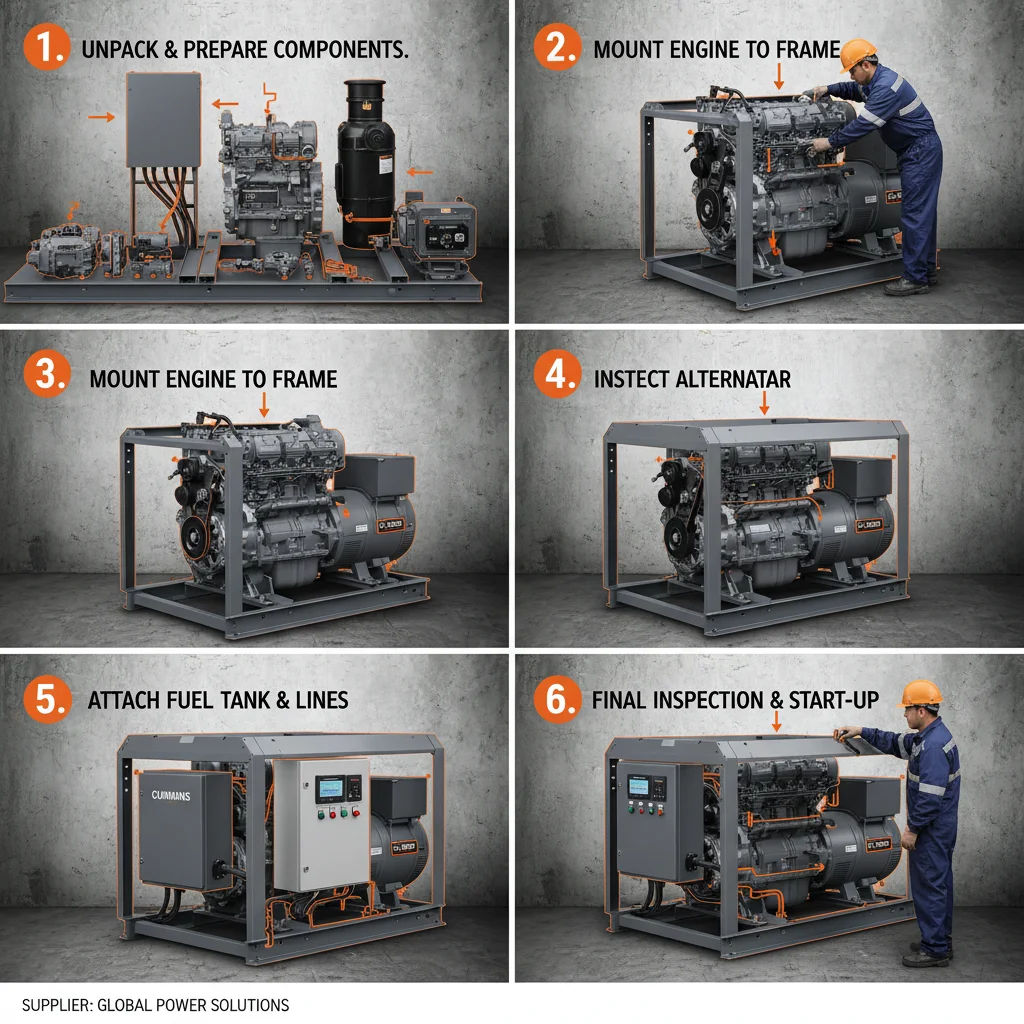
The deployment workflow is simplified to connecting the fuel source and main power distribution cables. This rapid mobility allows operators to shift power capacity as project needs evolve, a flexibility that is impossible with permanent concrete-pad installations.
The shift toward intelligent power management is characterized by the integration of touchscreen HMIs and remote monitoring systems. For a 500kVA system, real-time diagnostics are essential for preventing catastrophic failure through automatic internal error detection.
Remote monitoring allows technical teams to oversee power output and engine health from any location, reducing the need for frequent site visits to remote areas. This connectivity facilitates preventive maintenance, where data trends can signal the need for an oil change or filter replacement before a fault occurs.
Looking ahead, the industry is moving toward hybrid-ready enclosures that can integrate battery energy storage systems (BESS) alongside diesel gensets, further optimizing fuel consumption and providing smoother transitions during load spikes.
Choosing between an open-skid and a containerized 500kVA unit depends on the operating environment and the required deployment speed. While open units may have lower upfront costs, they require extensive site preparation, including weather-proof housing and security fencing.
Containerized systems internalize these costs into the product itself. The reinforced steel shell provides an anti-vandalism barrier and total weather shielding, which directly translates to lower long-term maintenance costs and an extended equipment lifecycle.
The following matrix provides a decision framework based on different configuration profiles to help procurement teams align technical specifications with their operational environment.
| Configuration Profile | Enclosure Type | Installation Time | Primary Use Case |
|---|---|---|---|
| Baseline Industrial | Open Skid | Weeks (Build) | Indoor Plant Rooms |
| Standard Shielded | Silent Canopy | Days | Commercial Backup |
| Rapid Deployment | ISO Container | Hours | Remote Construction |
| Extreme Environment | Reinforced ISO | Hours | Mining / Arctic Ops |
| Urban Compliant | Acoustic Container | Hours | City Data Centers |
| Mobile Emergency | Mobile Silent | Minutes | Disaster Recovery |
Containerization provides three primary advantages: physical protection, acoustic control, and logistical mobility. For a 500kVA unit, the reinforced steel ISO container protects the engine and alternator from theft, vandalism, and extreme weather (rain, sand, humidity). It also integrates sound-attenuating materials to keep noise levels below 75 dB(A), making it suitable for urban areas where open units would be prohibited. Finally, the ISO dimensions allow for global transport via standard logistics chains.
Yes, provided they are engineered with an all-weather enclosure. Systems like the PowerBox are designed to maintain operational stability in environments ranging from torrential rain to blowing sand. The key is the integrated thermal management system, which uses baffled air intakes and high-efficiency radiators to prevent engine derating in high heat while protecting the electrical components from moisture-induced shorts in humid or cold climates.
Integration is typically achieved through a centralized touchscreen HMI (Human-Machine Interface) connected to a cloud-based monitoring platform. This allows operators to track fuel levels, engine temperature, and power output in real-time. Automatic fault diagnostics can detect internal errors and send alerts to maintenance teams, enabling a shift from reactive to preventive maintenance, which is critical for 500kVA units serving as essential backup power.
Containerized units can be equipped with integrated scrubbers and particulate filters to meet the world's strictest environmental laws, including EPA Tier 4 Final and EU Stage V. Because the enclosure provides ample space compared to a tight canopy, these emission control systems can be professionally integrated and factory-tested, ensuring they do not impede the engine's airflow or performance.
Installation is minimal compared to traditional builds. The primary requirements are a level surface for the ISO container, a connection to the fuel source, and the connection of the main power distribution cables. If remote monitoring is utilized, a network connection (GSM or Satellite) is required. This removes the need for constructing a dedicated generator room or pouring specialized foundations for the engine itself.
Evaluate based on their integration capabilities and testing protocols. A reliable supplier should provide factory-tested integration, meaning the engine, alternator, and control systems are validated as a single unit before shipping. Check for ISO-standard compliance in the enclosure and the ability to provide full after-sales support, including 24/7 technical assistance and preventive maintenance schedules to ensure the 500kVA output is maintained over the asset's lifespan.
The transition toward containerized 500kVA systems represents a broader industry shift toward modularity and risk mitigation. By decoupling the power source from the site's permanent infrastructure, organizations can achieve a level of operational agility and environmental resilience that open-skid generators simply cannot match.
For procurement managers, the practical implication is clear: while the initial investment in a containerized solution is higher, the reduction in installation labor, the extension of asset life, and the guarantee of urban noise compliance provide a superior ROI. Choosing a specialized perkins generator 500kva Supplier ensures that these technical advantages are realized through professional factory integration and rigorous testing.

Hit enter to search or ESC to close